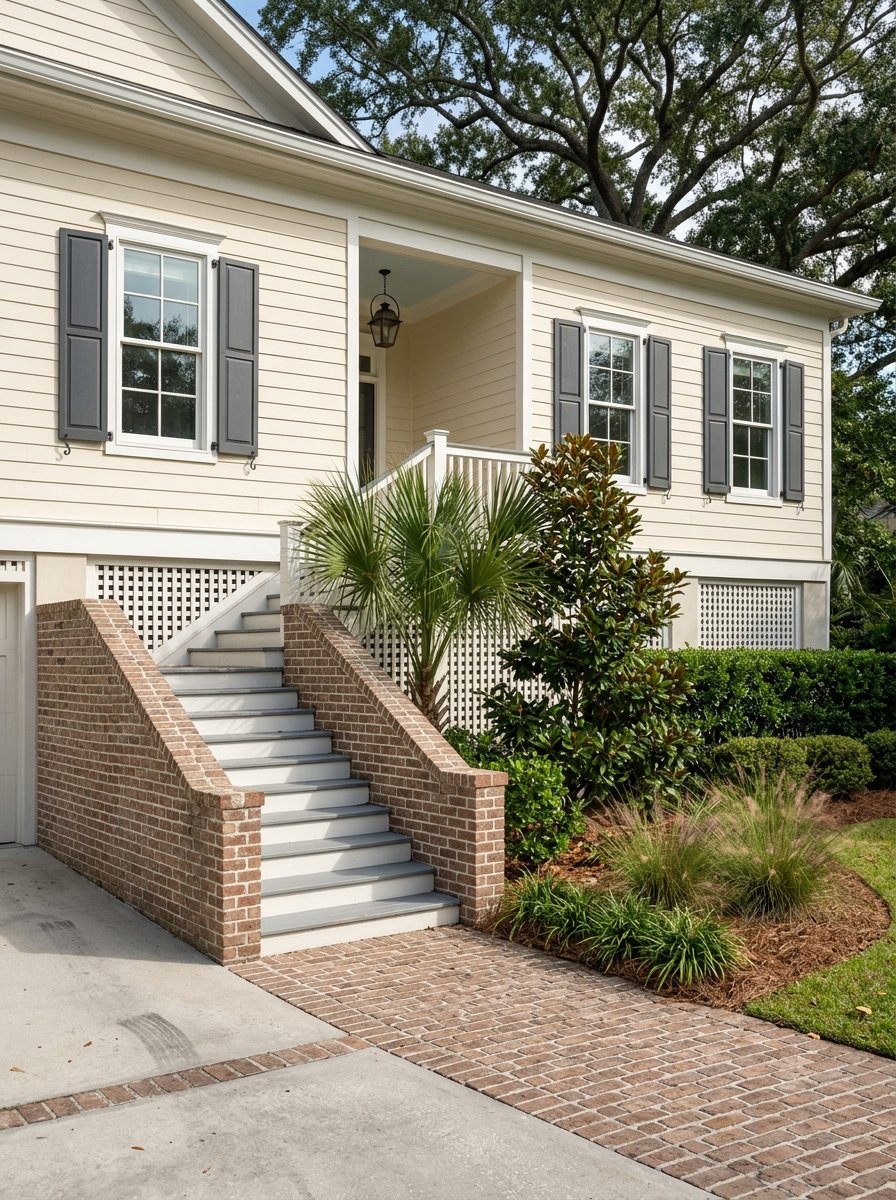
Daniel Island New Construction vs Resale: Which Fits?
July 9, 2026
July 9, 2026
Wondering whether a new construction home or a resale home makes more sense on Daniel Island? It is a smart question, especially in a community that already offers parks, trails, greenspace, and an established neighborhood feel. If you are weighing timing, customization, warranties, and the reality of community approvals, this guide will help you compare your options with more confidence. Let’s dive in.
On Daniel Island, the choice between new construction and resale is not just about old versus new. The island is already a mature master-planned community with hundreds of acres of parks and passive greenspace, plus a trail system of more than 25 miles. That means many buyers are choosing between two ways to enjoy an already established lifestyle, not deciding whether an area feels complete.
Because of that, your decision often comes down to practical factors. The biggest ones are usually move-in timing, customization, lot and landscaping maturity, and how much review and oversight you are comfortable with during and after the purchase.
New construction on Daniel Island is available in select pockets rather than across wide-open undeveloped land. Current and recent examples include areas such as The Retreat in Daniel Island Park, along with residential projects and phases listed by the Architectural Review Board, including The Marshes and Nowell Creek Village.
That matters because inventory can be more limited and more specific. Instead of shopping a broad island-wide new-home market, you may be comparing a small number of homesites, spec homes, or custom-build opportunities.
Many buyers are drawn to new construction for one simple reason: control. If you want a modern floor plan, newer materials, and the chance to shape finishes or design details, a new home can be very appealing.
New construction can also reduce the likelihood of major maintenance right away. Newer systems and products may support lower utility costs, and some buyers value the peace of mind that comes with being the first owner.
If you want some customization without the longest possible wait, a spec home or stock plan may help split the difference. In some cases, you can still make certain selections while avoiding a fully custom timeline.
The advantages of a new home come with tradeoffs. Higher upfront costs, longer timelines, and more moving parts are all common, especially if you are buying a homesite and building from the ground up.
Timing is often the biggest issue. A custom build typically involves months of design work and at least 12 to 16 months of construction, and delays can happen. If you need a firmer move-in date, that uncertainty can be difficult.
Landscaping is another important point on Daniel Island. A brand-new home may not offer the same settled streetscape or mature outdoor setting that you will find with many resale properties.
A builder warranty can be a real benefit, but it is important to understand what it covers. Under South Carolina’s Homebuyers Protection and Warranty Act, builders may provide an express written warranty that includes one year of workmanship and materials coverage, two years of systems-installation coverage, and ten years of structural coverage.
That said, not every item around a new home falls under that protection. Landscaping and site improvements such as patios, fences, retaining walls, driveways, and walkways may be excluded.
You should also distinguish a builder warranty from an optional home warranty or service contract. They are not the same thing, and the terms can differ in meaningful ways.
On Daniel Island, new construction is not just a builder-and-buyer process. The Architectural Review Board plays a major role, and that can affect both your timeline and your planning.
The ARB requires review forms, checklists, builder-program participation, and specific documentation for new construction. If you are purchasing a lot or planning a custom build, these approval layers should be part of your decision from day one.
Closing costs may also look different than you expect. Daniel Island’s closing-fee schedule includes items such as builder construction deposits, ARB fees, and certain neighborhood-specific charges.
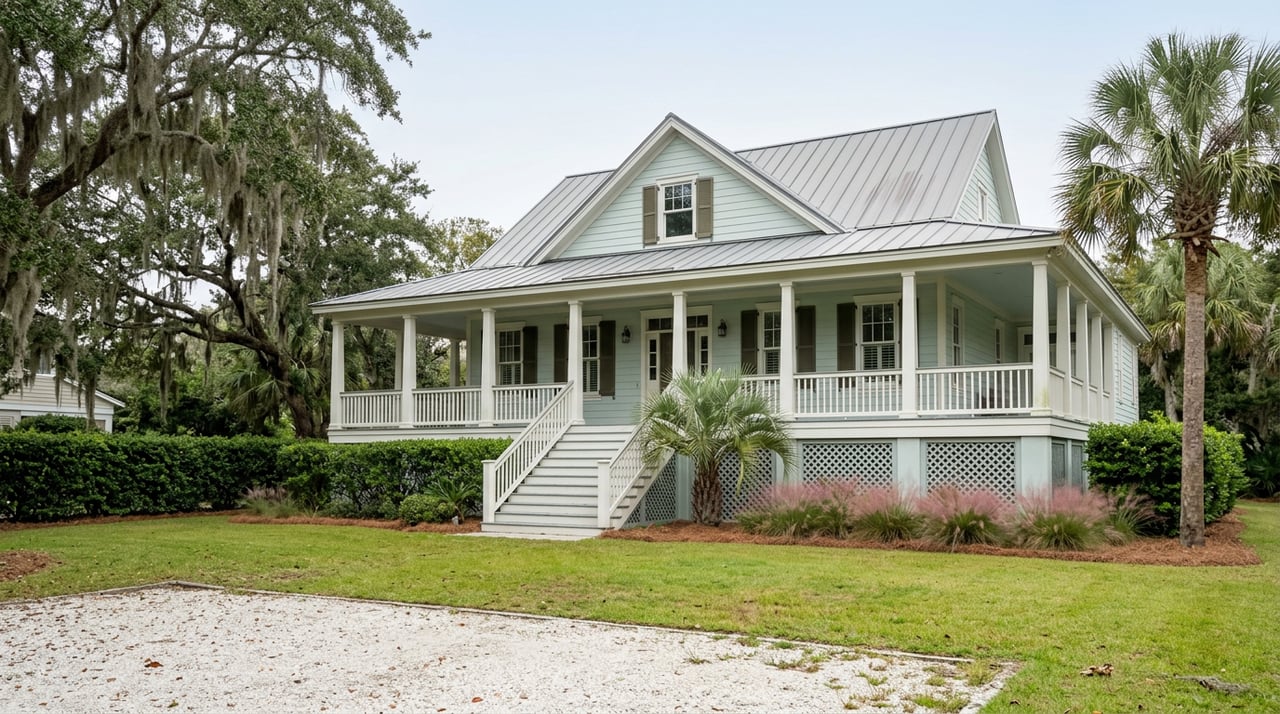
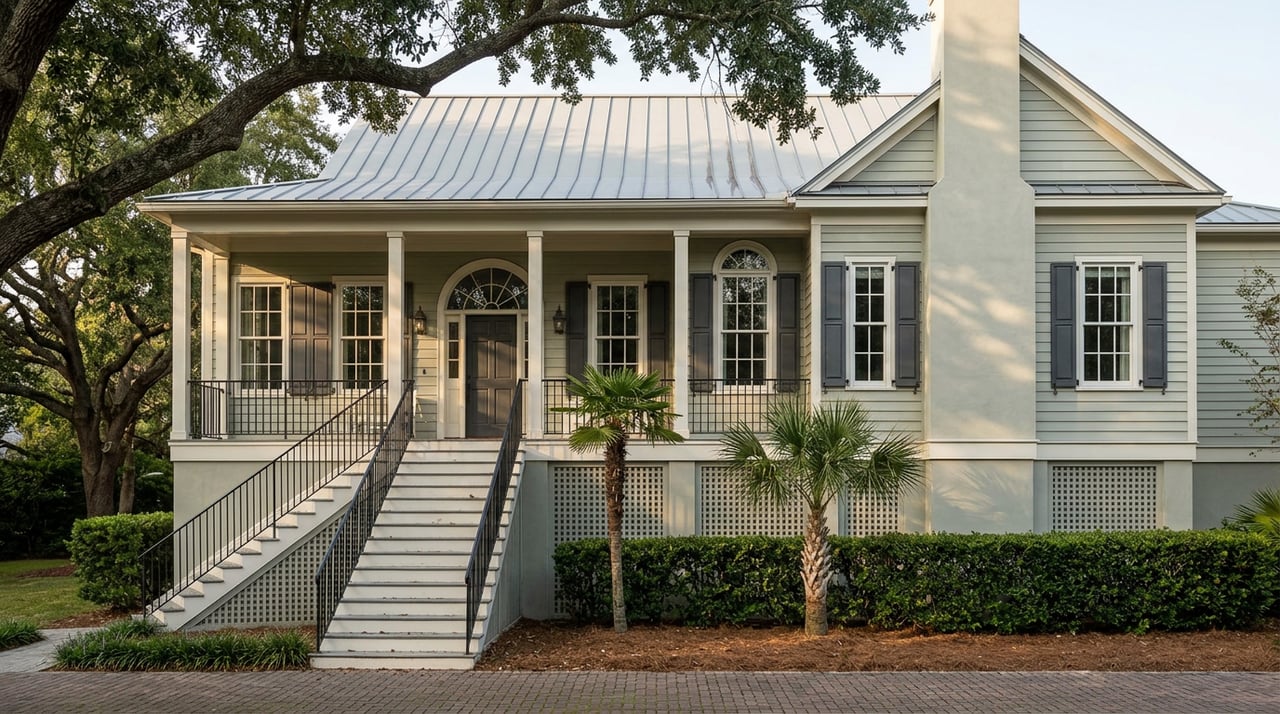
Resale homes often appeal to buyers who want more certainty and a more established setting. On Daniel Island, that can mean mature landscaping, a settled streetscape, and easier access to the community feel that already defines the island.
A resale home may also offer a faster path to closing. If your timeline matters, or you want to start enjoying the property sooner, an existing home can be a strong fit.
Some buyers also like the potential to improve a home over time. Cosmetic updates or renovations can let you tailor the property without starting from scratch.
An existing home may need more repairs or ongoing maintenance than a new one. Systems, finishes, or floor plans may also feel dated depending on the property.
You may have less personalization at the start. Instead of selecting everything before completion, you are evaluating what is already there and deciding what you want to change later.
For many buyers, though, those tradeoffs are worth it. A quicker closing and a more finished environment can outweigh the appeal of starting fresh.
With a resale home, inspections become one of your best tools. South Carolina defines a home inspection as a report on visible and readily accessible structural problems, damage, safety issues, deterioration, equipment, and systems.
That means the inspection can give you a clearer picture of the property’s current condition before closing. It is one of the key ways to evaluate whether an existing home’s convenience comes with manageable maintenance needs.
A common mistake is assuming approvals only matter with new construction. On Daniel Island, the ARB still matters after you buy a resale home.
Exterior changes such as pools, patios, landscape modifications, tree removals, fences, additions, and exterior color changes require review. So if you are buying a resale home with plans to make visible changes, that approval process should be part of your timeline and budget.
Price is only one part of the decision. Daniel Island’s fee structure can vary depending on whether you are buying a resale property or a home that is still under construction.
For resale buyers, an estoppel fee may apply. For properties under construction, there may be lot-maintenance or street-sweeping charges, capitalization fees, and other neighborhood-specific amounts.
This is why the better comparison is total cost, not just purchase price. The details tied to the property’s stage of completion can affect your cash needed at closing.
New construction tends to fit buyers who place a high value on personalization and do not need an immediate move-in date. It can also make sense if builder warranty coverage is an important part of your comfort level.
You may be a strong fit for new construction if you are comfortable navigating design decisions, ARB approvals, and a longer timeline. For some buyers, that extra effort is worth it for a home that feels tailored from the start.
Resale often fits buyers who want a firmer move-in schedule and a more established streetscape. It can also work well if you prefer to evaluate a finished home and lot rather than wait through construction.
If you like the idea of making updates over time while enjoying Daniel Island sooner, resale may offer the better balance. It can be especially appealing when certainty and convenience matter more than full customization.
If you are comparing Daniel Island new construction versus resale, focus on five questions first:
Your answers usually point you in the right direction quickly. Once you are clear on timing, control, and total cost, the better fit becomes much easier to see.
Daniel Island offers a rare advantage in this decision: both new construction and resale homes can place you inside an already established community environment. The right choice is less about which option is universally better and more about which one matches how you want to live, plan, and move.
If you want tailored guidance on Daniel Island homes, lots, or the details that can affect timing and closing costs, schedule a private consultation with Gus Bright.

With an intimate knowledge of the Charleston Low Country area, Gus Can help you find your personal version of Luxury Island Living.