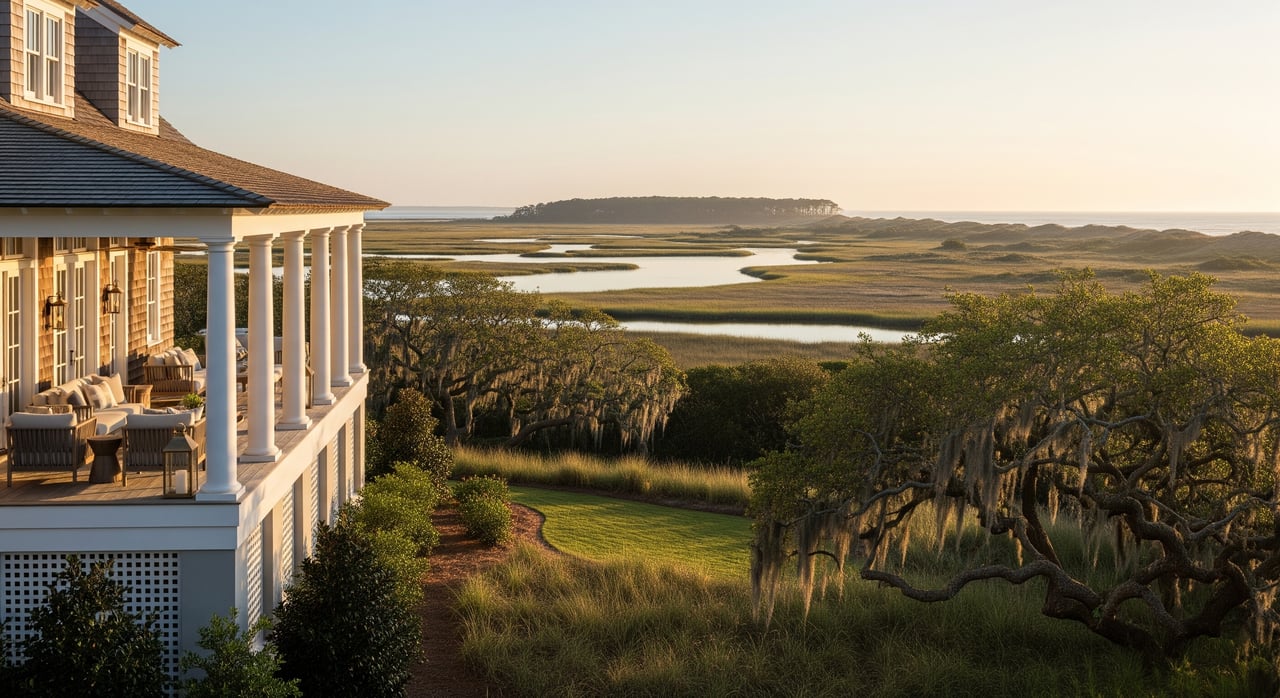
Experience the Kiawah Island Second Home Lifestyle
February 5, 2026
February 5, 2026
What does your perfect Lowcountry morning look like? If it is quiet light on an empty beach, a first tee time, or a peaceful bike ride through maritime forest, you will feel at home on Kiawah Island. At the same time, island ownership comes with club decisions, association rules, insurance planning, and seasonal rhythms you should understand. In this guide, you will step into a typical day, then see the practical side of owning so you can decide if Kiawah matches your vision. Let’s dive in.
You wake to soft ocean light and the sound of wind in the pines. A sunrise walk at low tide is a signature start here, with broad beaches for birdwatching and shelling. If you prefer motion, you head to shaded trails for a run or easy spin, often using bikes or a golf cart for short trips inside the neighborhood.
Golfers book early tee times at resort courses, including the Ocean Course that has hosted major events. The scene is unhurried. You feel the day open up as the sun rises over the dunes and marsh.
By late morning, you choose your tempo. Poolside lunch, a spa appointment, or a quiet hour on the porch all fit the rhythm. For errands and groceries, you make a quick trip to Freshfields Village, the nearby retail hub that serves both Kiawah and Seabrook.
If you keep a second home, property managers or vetted vendors often handle housekeeping, landscaping, and service appointments. Many owners structure a standing schedule so the house is guest ready when family visits.
Afternoons lean back into nature. You might kayak a tidal creek, join a tennis clinic, or simply walk the beach as the sun drops. Wildlife viewing is part of daily life, from wading birds over the marsh to dolphins near shore.
Social plans often start at club dining rooms or resort venues with marsh or ocean views. The island’s social calendar tends to peak in spring and fall when weather is mild and golf events and clinics are active.
Dinner can be fine dining at the resort or casual beachfront fare. Many owners plan regular outings into Charleston for its restaurant scene. Nights are calm, with conservation rules and lighting practices that help protect wildlife and preserve a tranquil sky during nesting season.
Seasonality shapes the year. Spring is prime for golf and mild days. Summer brings family beach time and fuller calendars. Fall stays pleasantly active with fewer crowds. Hurricane season runs June through November, so you plan for preparedness each year with checklists and vendor support.
Kiawah’s headline draws are clear. Championship golf anchors the island’s identity and social life for many members and owners, with courses and programming offered by the Kiawah Island Golf Resort. Miles of pristine beach define daily routines, from tidepooling to surf casting.
Club life matters if you want structured community. The Kiawah Island Club offers tiered memberships that can include golf, dining, fitness, pools, and member events. Recreation is broad, with bike and walking trails, racquet facilities, watersports, guided nature and fishing charters, and spa services.
Conservation runs through everything. The Kiawah Island Community Association focuses on low density planning, habitat protection, and community upkeep. You feel that in the preserved maritime forests, salt marsh vistas, and seasonal wildlife programs.
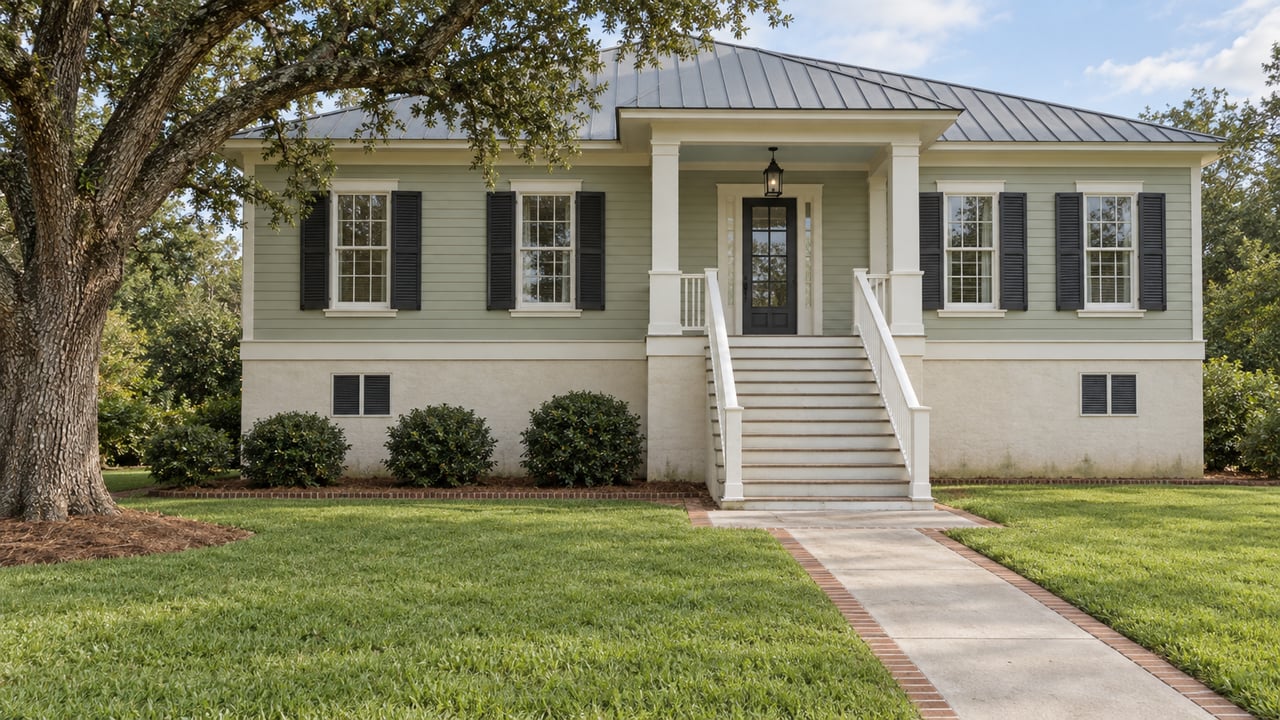
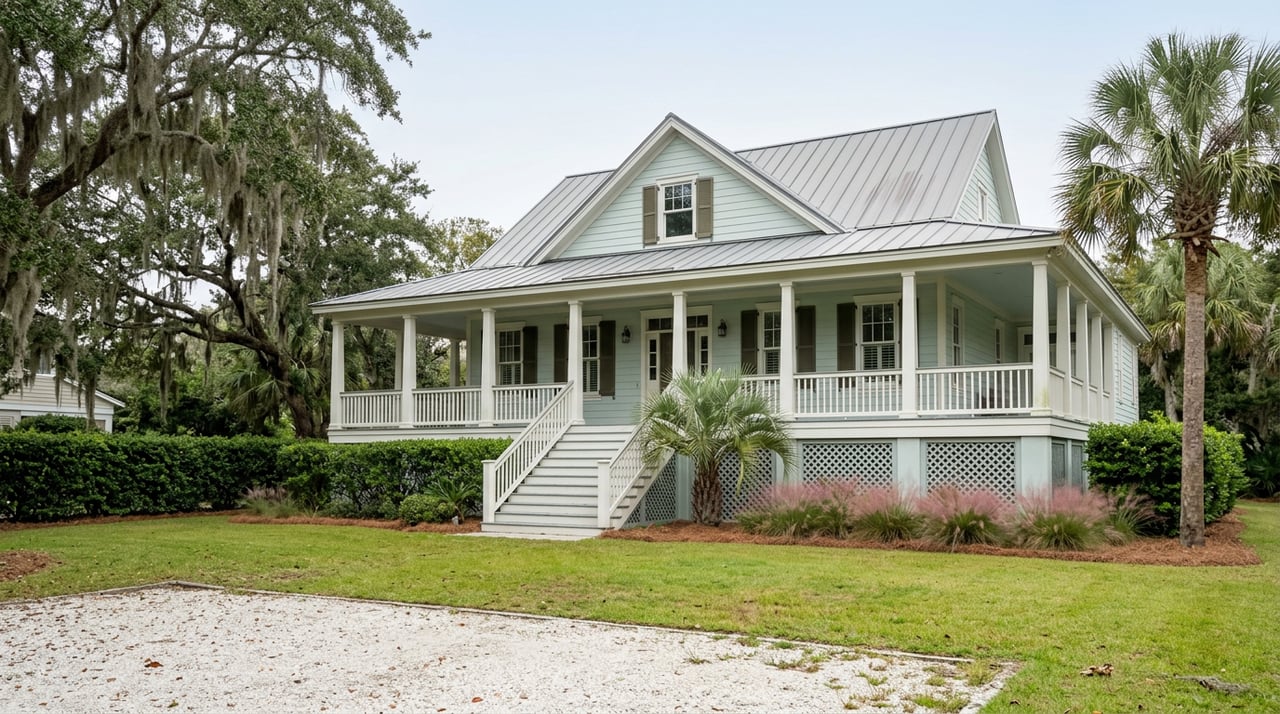
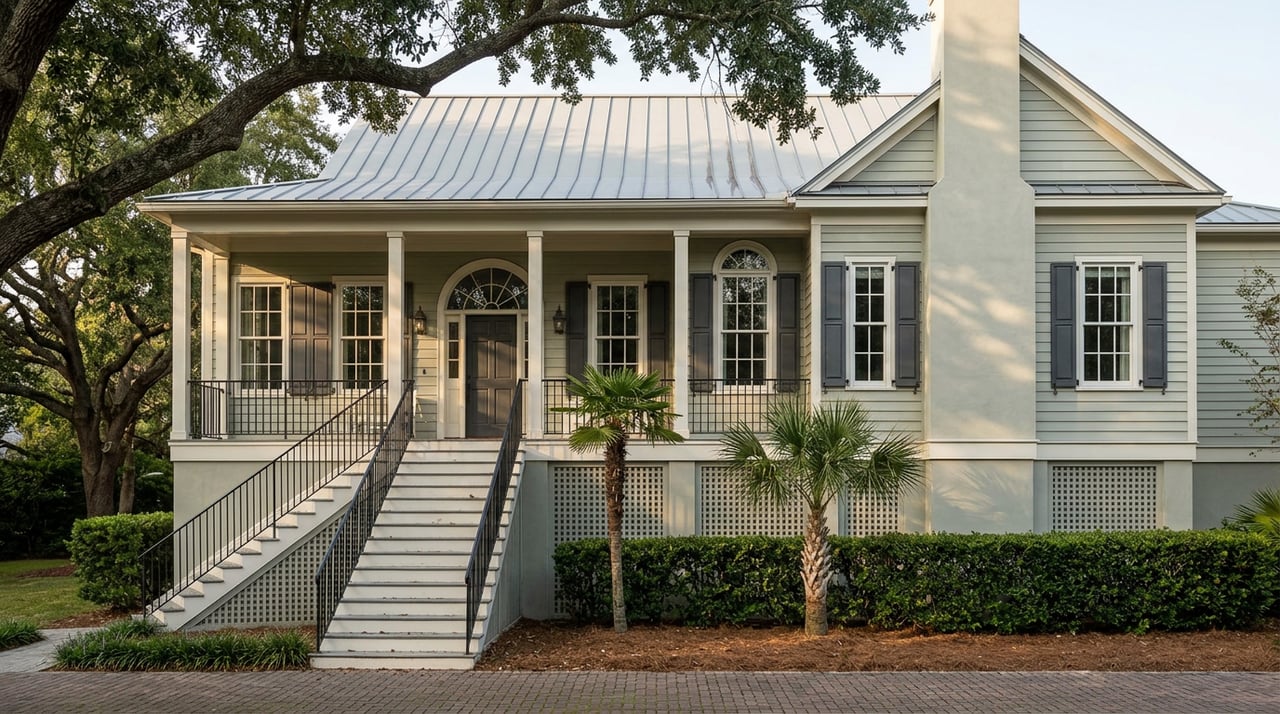
Housing ranges from beachfront estates and custom homesites to marshfront homes, villas, and condos in resort clusters. The market leans luxury. Many properties are designed as second homes or vacation investments with access to professional management.
Most parcels carry association fees through KICA or neighborhood HOAs. Some communities include or require club membership while others do not. Pick the setting that matches your privacy and activity preferences, whether that is a tucked away lane or a resort hub near the action.
Kiawah is a luxury market, so plan for a premium purchase price relative to the region. Ongoing costs typically include HOA or KICA fees, any club initiation and annual dues if you join, property taxes in Charleston County, homeowners and wind coverage, flood insurance, utilities, landscaping, and property management.
For planning, many second‑home owners separate line items for higher coastal insurance premiums and potential club initiation fees. You can review tax basics through Charleston County’s resources and evaluate flood exposure using FEMA maps during due diligence. Start with the Charleston County property tax overview and the FEMA Flood Map Service Center.
Membership is a lifestyle choice and sometimes a property requirement. Kiawah supports tiered options that may include golf, social, or sports privileges. Access to certain clubhouses, preferred tee times, members’ events, and dining can be a primary reason buyers choose specific neighborhoods.
Confirm membership status during purchase. Transferability, initiation policies, and potential waitlists can affect your timeline and investment. Review current offerings directly with the Kiawah Island Club as part of your planning.
Short‑term rentals are part of Kiawah’s ecosystem. Some owners partner with resort or local management programs to handle marketing, bookings, housekeeping, and compliance. This can be useful if you live off‑island or want professional oversight.
Rental terms and occupancy are shaped by HOA covenants, neighborhood rules, and local regulations. Income is seasonal, with higher demand in peak months and operating costs that reflect a premium product. Many owners lean on professional managers to optimize revenue and ensure compliance.
Kiawah is a barrier island, so you account for wind and flood exposure in your plan. Many homes are elevated and use impact‑rated windows or shutters as mitigation. Your insurance mix usually includes homeowners, windstorm, and flood.
Coastal premiums can be materially higher than inland rates, and coverage terms can change with market conditions. Build a hurricane plan that covers securing the home and evacuation logistics, and review seasonal guidance from NOAA’s hurricane resources. For property‑specific flood risk, consult FEMA’s flood maps during inspections.
Most neighborhoods follow covenants and architectural review to protect the island’s aesthetic and environment. Expect guidelines on design, setbacks, and landscaping. The Kiawah Island Community Association provides governance, environmental programs, and community standards to keep things consistent.
Beach access and boundaries follow South Carolina law. Public use generally exists below the mean high‑water line, while private ownership can extend to the vegetation line. Confirm parcel boundaries, easements, and any conservation restrictions during due diligence.
Every retreat has tradeoffs. On Kiawah, you balance privacy and access. The island feels secluded yet close enough to services via bridge and road, which can mean longer drives for specialty needs in town.
You enjoy a luxury service environment that comes with association fees, membership decisions, and maintenance. You gain rare natural beauty and wildlife, and you also accept environmental rules, nesting season practices, and storm planning as part of responsible ownership.
Use this quick self‑check to see if the island aligns with your vision:
If this feels like your rhythm, you will likely thrive here.
Choosing the right property is about lifestyle fit as much as price and square footage. With a hospitality‑first approach and deep island expertise, you can evaluate membership options, compare neighborhood covenants, review insurance and rental considerations, and line up trusted vendors for seamless ownership. When you are ready to explore, schedule a private consultation with Gus Bright for tailored guidance and discreet, concierge‑level support.

With an intimate knowledge of the Charleston Low Country area, Gus Can help you find your personal version of Luxury Island Living.