Johns Island Custom Home Lots & Building Roadmap
February 19, 2026
February 19, 2026
Designing every inch of a Lowcountry home can be exciting until zoning maps, wetlands lines, and septic rules start raising questions. If you are considering Johns Island, you are smart to ask those questions early. In this guide, you will learn how to evaluate a lot, understand key regulations, budget realistically, and map a smooth path from contract to move-in. Let’s dive in.
Johns Island is governed by either the City of Charleston or Charleston County, depending on where the parcel sits. Your first step is to confirm the jurisdiction and the base zoning that controls setbacks, height, and density. You can contact the County to verify zoning and overlays and to understand how they apply to your lot through the Charleston County Zoning and Planning page.
The Urban Growth Boundary shapes what can be built and where. Areas inside the boundary support more intensive development, while areas outside remain lower density. Before you assume anything about future use, check whether your parcel lies inside or outside the line with this overview of the Urban Growth Boundary on Johns Island.
Many rural districts on the island, such as AG-8 or RR, require larger minimum lots and deeper setbacks. If your parcel is on or near water, special waterfront and buffer standards can also reduce the buildable area. Verifying zoning and any overlay rules up front saves time and protects your budget.
On Johns Island, the most beautiful parcels often have the tightest buildable envelopes. Waterfront setbacks, tree protection, and buffers from the critical line can limit where you can place a house, driveway, and septic field. Review local standards early using the County’s waterfront and buffer standards reference so you understand how much of the site is truly usable.
If your lot touches tidal marsh or creeks, state coastal rules apply. The OCRM critical line governs work near tidelands and can trigger additional permits and buffers. Get a current wetlands delineation and be ready for a coastal consistency review if your plans approach the marsh. You can read the state framework that guides these reviews in the South Carolina coastal regulations.
Sewer is not available to every Johns Island address. Before you write offers, request a Service Availability Letter from Charleston Water System to confirm capacity and connection options. If sewer is not available, you will need a soil evaluation and a permitted onsite wastewater system. South Carolina’s onsite wastewater rules set minimum setbacks near critical areas and may require engineered systems on marginal soils. For context on those standards, review this summary of SCDHEC onsite wastewater requirements.
You can confirm water and sewer service boundaries and request documentation through the Charleston Water System service area page.
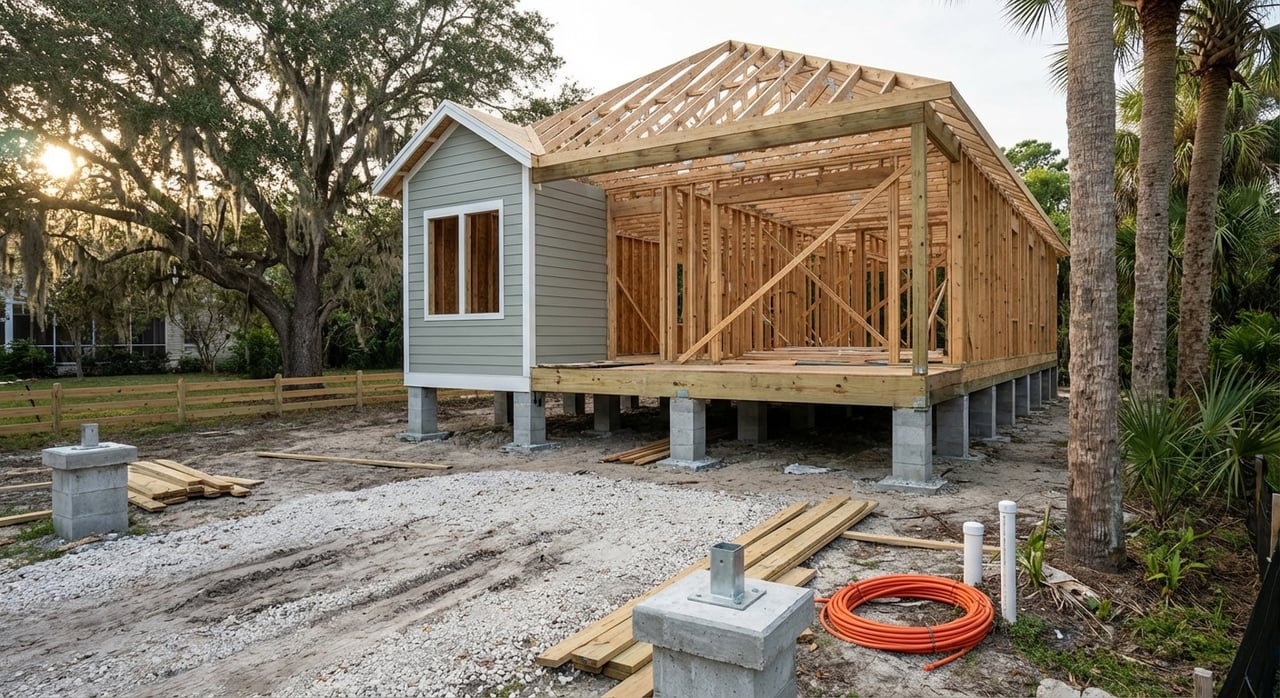
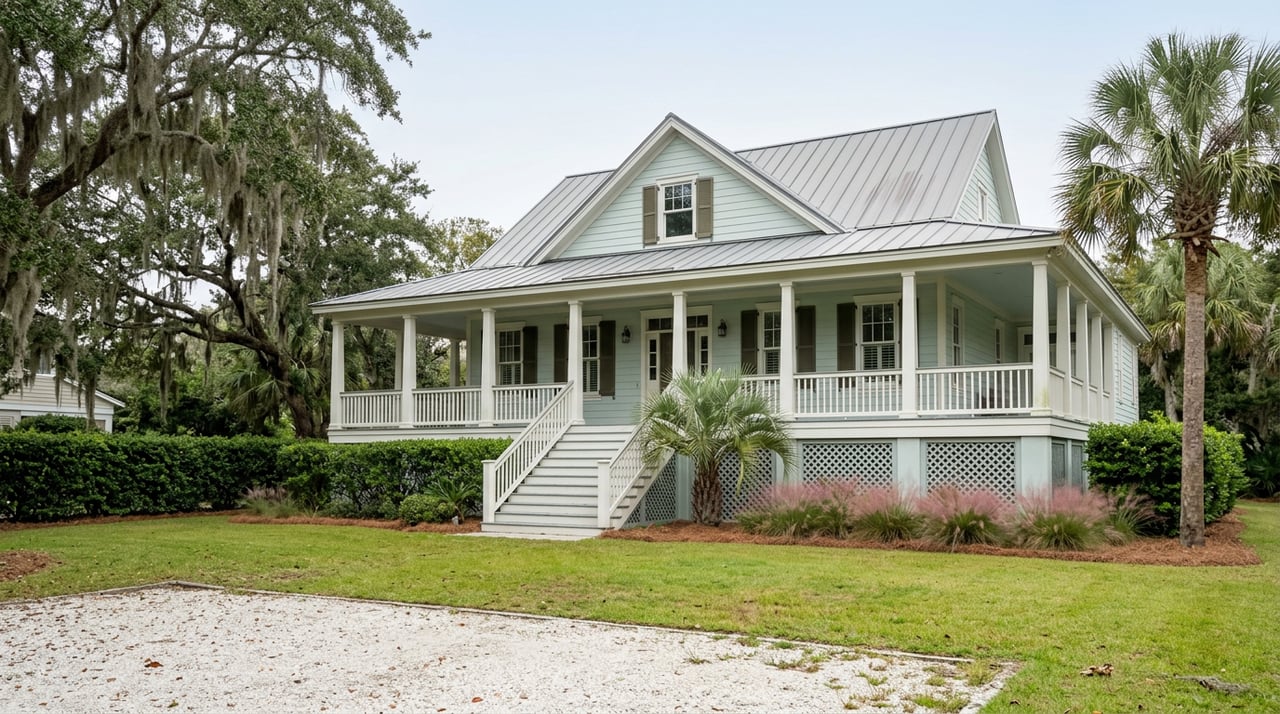
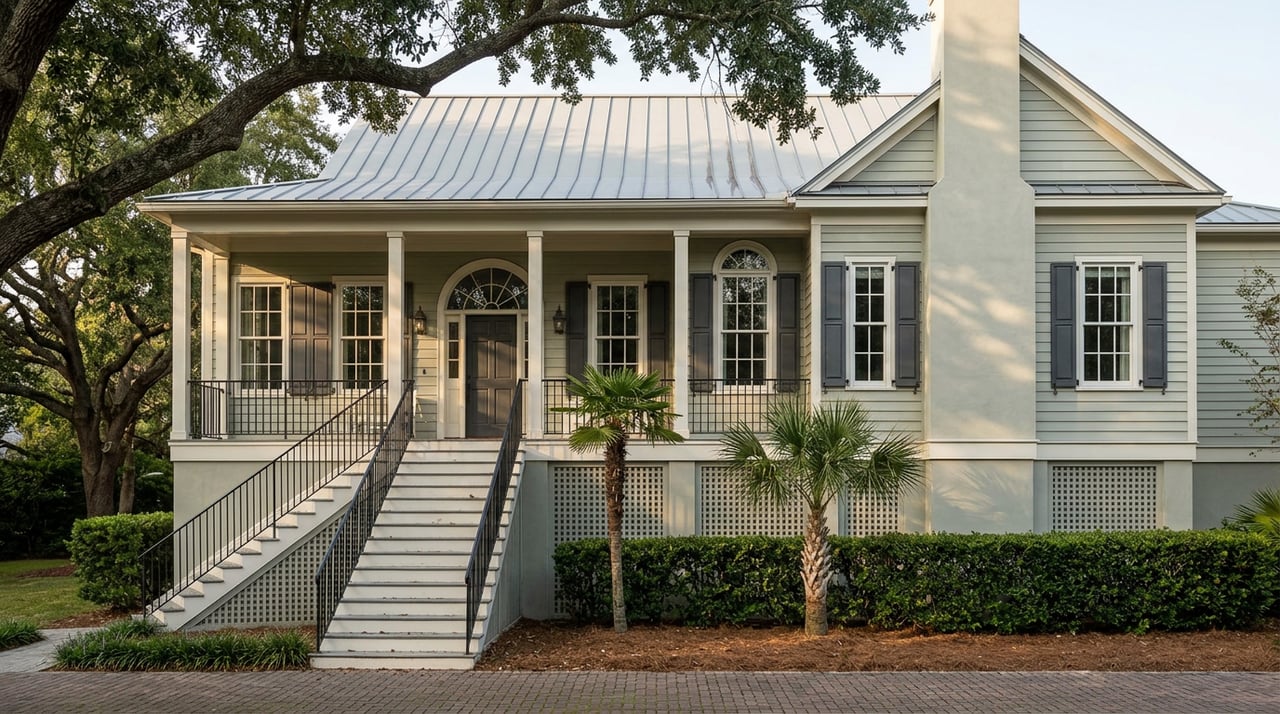
Much of Johns Island lies within FEMA Special Flood Hazard Areas. Local rules require you to build above the Base Flood Elevation plus local freeboard, which often leads to elevated or pile foundations. These design choices affect cost and schedule, and you will typically provide an Elevation Certificate during permitting. For an overview of local flood zones and design flood guidance, see the City’s flood zones resource.
Recorded easements, conservation agreements, and HOA covenants can restrict clearing, building envelopes, and materials. Ask your closing attorney to pull and review all recorded documents. If your site includes heritage trees, assume you will need permits and protection measures before clearing.
Plan an early meeting with the County or City planning staff to clarify your permit path. Your team will prepare civil plans that show the survey, septic layout or sewer connection, stormwater controls, and driveway details. If your project touches tidelands, docks, or shoreline work, expect to coordinate state coastal reviews and, in some cases, federal approvals. You can learn how wetlands and in-water structures are reviewed through the US Army Corps of Engineers Charleston District.
Your structural plans must meet the adopted building code and flood-resistant standards. The County outlines required permits, inspections, and fee schedules. Use these resources to understand timing, submittal requirements, and inspection checkpoints via Charleston County Building Inspection Services.
Use the Service Availability Letter process to confirm water and sewer access, connection charges, and any extension requirements. If a septic system is needed, budget for engineering, potential alternative systems, and long-term maintenance obligations.
Electric service on Johns Island is provided by different utilities depending on location. Large rural areas are served by Berkeley Electric Cooperative, while some sections use Dominion Energy South Carolina. Natural gas is limited in more remote areas, so many new homes choose propane or all-electric systems. Internet service varies by neighborhood, so verify addressable options during due diligence.
Marshy soils, flood elevations, and high groundwater often push designs to elevated or pile foundations. Pile driving, engineered foundations, and stormwater controls can add significantly to site costs. If the lot requires an engineered septic system or utility extensions, set aside extra time and budget.
Base construction costs in South Carolina commonly range from about 150 dollars per square foot for lower-mid finishes to 300 dollars or more per square foot for high-end work. Coastal sites on Johns Island often exceed that once you add elevated foundations, flood-resistant design, specialized septic, and premium finishes. For statewide context, review this overview of custom home costs in South Carolina. Always obtain multiple local builder bids.
Confirm jurisdiction and Urban Growth Boundary status, then verify base zoning and overlays.
Write a contract with a 30 to 60 day due-diligence period to complete surveys, wetlands delineation, soil testing, and a Service Availability Letter.
If the site is near marsh, engage a coastal permits consultant to flag OCRM and possible federal requirements early.
Lock your sewer plan. If sewer is not available, schedule a septic design and include operations and maintenance in your budget.
Hold pre-application meetings with planning and building staff to confirm tree rules, flood elevation requirements, and stormwater expectations.
Hire a local architect and civil engineer experienced with coastal lots. If an HOA or ARB is involved, submit that package while preparing permit-ready plans.
Submit state and federal applications, such as OCRM or USACE, alongside your local site plans where possible to streamline timelines.
After permits and financing are in place, begin site mobilization with erosion control, tree protection, and foundation work, and track required inspections.
Carry a contingency of 10 to 20 percent or more for coastal sites and be flexible with schedule if piling, engineered septic, or utility extensions are required.
Building on Johns Island rewards careful planning and an experienced team. When you align zoning, wetlands, utilities, flood standards, and HOA design rules early, you protect your budget and set realistic expectations for timing and design. If you want a concierge partner to help you identify the right lot, assemble the right vendors, and manage the details from offer to closing, connect with Gus Bright. Schedule a private consultation.

With an intimate knowledge of the Charleston Low Country area, Gus Can help you find your personal version of Luxury Island Living.