
Selling Your Seabrook Island Home Remotely
April 16, 2026
April 16, 2026
Selling a Seabrook Island home from another city or state can feel complicated fast. Between gated access, association records, disclosure requirements, and South Carolina’s attorney-led closing process, there are more moving parts than many owners expect. The good news is that you can usually sell from afar when you have a clear plan, the right local support, and a process built for coordination instead of last-minute scrambling. Let’s dive in.
Seabrook Island is not a typical neighborhood where vendors can come and go with a simple appointment. It is a gated private community, and property ownership in the Seabrook Island Development automatically creates membership in SIPOA, while the club relationship is separate from the POA account, according to Seabrook Island Property Owners Association information.
For you as a remote seller, that means the transaction involves more than pricing and marketing. You also need to account for association-related documents, island access logistics, and the local coastal context, including the Town of Seabrook Island’s beach management program, which addresses erosion data, drainage, habitat protection, and post-disaster planning.
If you want the process to feel manageable, treat your sale like a systems project. The most effective setup is simple: one local point person, one central document folder, one coordinated vendor schedule, and one attorney-led closing path.
This structure matters even more on Seabrook Island because access is controlled. SIPOA requires commercial visitors such as appraisers, contractors, estimators, and service providers to obtain passes, and Realtors must follow the island’s access procedures, including license verification and client-accompaniment rules.
When too many people are making separate arrangements, details get missed. A single local coordinator helps keep inspections, repair visits, photography, and showing preparation aligned.
For an absentee owner, that coordination can reduce delays at the front gate and inside the home. It also creates one reliable stream of updates, which is especially useful if the property is vacant, rented, or part of an estate.
Before your home goes live, gather the records you may need in one place. That often includes disclosures, HOA or POA information, repair invoices, warranties, service records, photos, and any expert reports about the property’s condition.
South Carolina’s Residential Property Condition Disclosure Statement specifically allows owners to attach reports from engineers, contractors, pest-control operators, and other experts. For a remote seller, that paper trail can make communication cleaner and help support your answers on the disclosure form.
One of the biggest mistakes remote sellers make is waiting too long to work through disclosures. In South Carolina, the Residential Property Condition Disclosure Statement is required for most residential sales before a contract is formed, unless the contract states otherwise, and the owner must answer fully and honestly.
The form also says you must update your disclosure if new information makes an earlier answer inaccurate. In other words, being out of town does not remove your responsibility to disclose what you know about the property.
This matters on Seabrook Island because the disclosure package includes a specific addendum for property subject to an HOA, POA, condominium association, or similar governing documents and charges. Since SIPOA membership, dues, and related charges are tied to ownership, this part of the package deserves careful attention.
A complete, organized file helps buyers understand the property and helps reduce back-and-forth later. It can also make it easier for your attorney and agent to answer practical questions during due diligence.
The state disclosure form asks whether the property is vacant, leased, part of an estate, or used as a vacation or short-term rental. That is not just a paperwork detail. It affects how you prepare the home, schedule access, and organize closing documents.
SIPOA states that rental properties must be registered with the association and that rental hosts need access to the gate-pass system. The Town of Seabrook Island also requires a business license for short-term rentals, as referenced in the same state disclosure materials.
On Seabrook Island, access logistics should be handled early, not after your listing is ready. Contractors, inspectors, appraisers, and other commercial visitors need passes through SIPOA, so timing and coordination matter.
That affects almost every pre-list step, including estimates, repairs, deep cleaning, staging support, photography, and buyer due diligence appointments. A remote sale can move smoothly, but only when these visits are scheduled with the island’s commercial access rules in mind.
You will often want to line up these items before launch:
For a brand like Gus Bright, this is where concierge-style coordination can make a real difference. Professional staging and photography, Matterport 3D tours, and a curated vendor network are especially helpful when you want buyers to feel confident without needing you on site.
Many sellers ask the same question: can you sell without coming back to Seabrook Island? Usually, yes. But the process still has to follow South Carolina law.
South Carolina residential real estate closings are attorney-supervised. According to a South Carolina Supreme Court order, only lawyers licensed in the state may handle core closing functions such as certifying title, preparing deeds, drafting or reviewing closing documents, overseeing the closing, supervising recordation, reviewing powers of attorney, and disbursing funds.
This is where many out-of-state owners get surprised. South Carolina allows electronic notarization, but the Secretary of State states that electronic notarization is not the same as remote notarization and still requires the notary to be in the signer’s physical presence.
South Carolina has not legalized remote notarization. So while parts of your transaction may be handled digitally, notarized signing usually still requires a physically present notary or another attorney-directed signing arrangement.
Charleston County’s Register of Deeds records land titles, liens, mortgages, tax liens, and related property documents, while the County Treasurer handles real estate tax collection. For you, these offices are part of the public-record side of the sale, where recording and payoff status are ultimately confirmed.
Charleston County also offers a Property Recording Alert System. That can be a useful tool for remote owners who want an added layer of awareness after closing.
If you do not live in South Carolina, this is one of the most important parts of your sale to discuss early. The South Carolina Department of Revenue says the buyer must withhold tax when a nonresident sells South Carolina real property.
For an individual nonresident seller, the withholding is 7% of net proceeds. For a nonresident corporate seller, it is 5%. Because this affects your expected proceeds, it should be part of your net-sheet planning from the beginning.
Out-of-state ownership and foreign ownership are not the same thing. If the seller is a foreign person, FIRPTA withholding may apply separately under federal law.
That distinction matters because it can change the closing workflow and the funds you should expect at settlement. If your ownership situation is more complex, early coordination with your closing attorney is especially important.
In addition to state and county requirements, Seabrook Island has community-level closing costs that are part of the final transaction process. SIPOA’s 2026 closing form lists a $250 closing administrative fee and a capital contribution fee equal to 1/2 of 1% of the purchase price, both payable by the purchaser at closing.
The same form lists a 2026 annual assessment of $3,133 for a home or villa and $1,723 for a lot. It also instructs the buyer’s closing attorney to send title information and one check covering the annual assessment, capital contribution fee, and closing administrative fee to SIPOA.
For sellers, these details are helpful because buyers often ask about the total cost structure of ownership. When records are organized upfront, those conversations tend to go more smoothly.
If the home is inherited, do not assume you can list and close on the normal timeline without first confirming authority to sell. South Carolina probate law provides that a personal representative generally may not sell estate real property unless the will authorizes the sale or the sale follows probate procedures.
If that applies to your property, review the estate paperwork early and coordinate with the closing attorney before the home goes active. You can read more in the relevant South Carolina probate provisions.
If you want a clear path forward, focus on these steps first:
Selling from afar does not have to feel chaotic. With the right planning, it can be orderly, efficient, and surprisingly low-stress.
If you are preparing to sell on Seabrook Island and want a concierge-style process with coordinated vendors, polished marketing, and hands-on guidance from start to finish, Gus Bright can help you create a smooth plan tailored to your property and timeline.
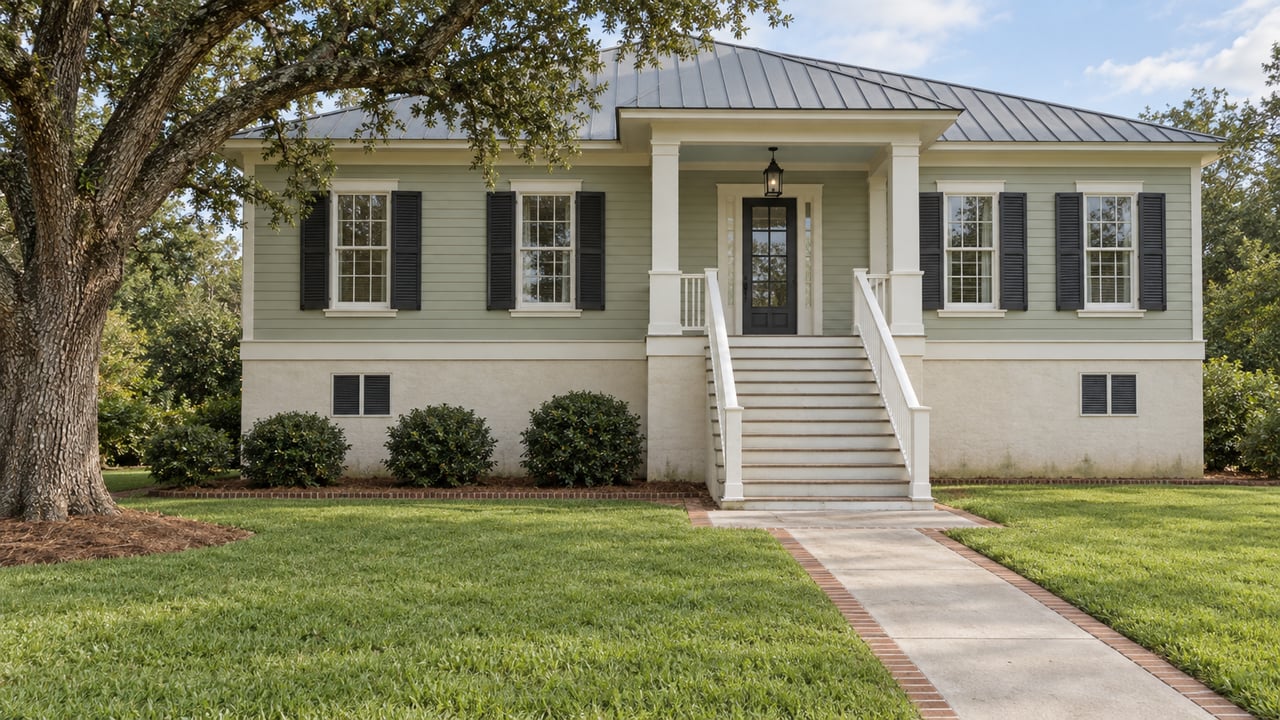
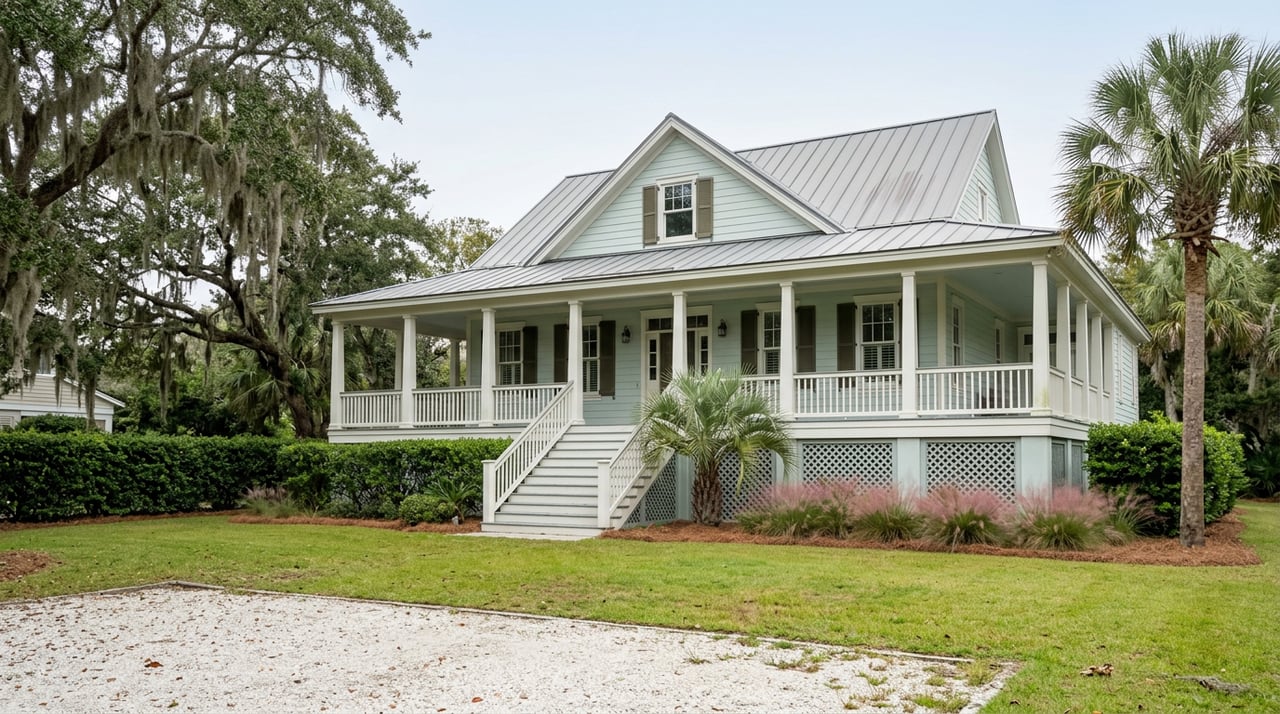

With an intimate knowledge of the Charleston Low Country area, Gus Can help you find your personal version of Luxury Island Living.