Folly Beach Beach Cottage Buying Guide for Buyers
April 2, 2026
April 2, 2026
Dreaming about a vintage beach cottage with salty air, a front porch, and easy access to the sand? On Folly Beach, that dream is very real, but it comes with details you need to understand before you buy. If you want the charm of an older island home without surprises later, this guide will help you look at cottages on Folly Beach with clear eyes and more confidence. Let’s dive in.
Folly Beach has a housing story that is different from many newer coastal markets. According to the City of Folly Beach history page, the island evolved from temporary camps to permanent camps and then to cottages, with building activity increasing from the 1940s and peaking in the 1960s.
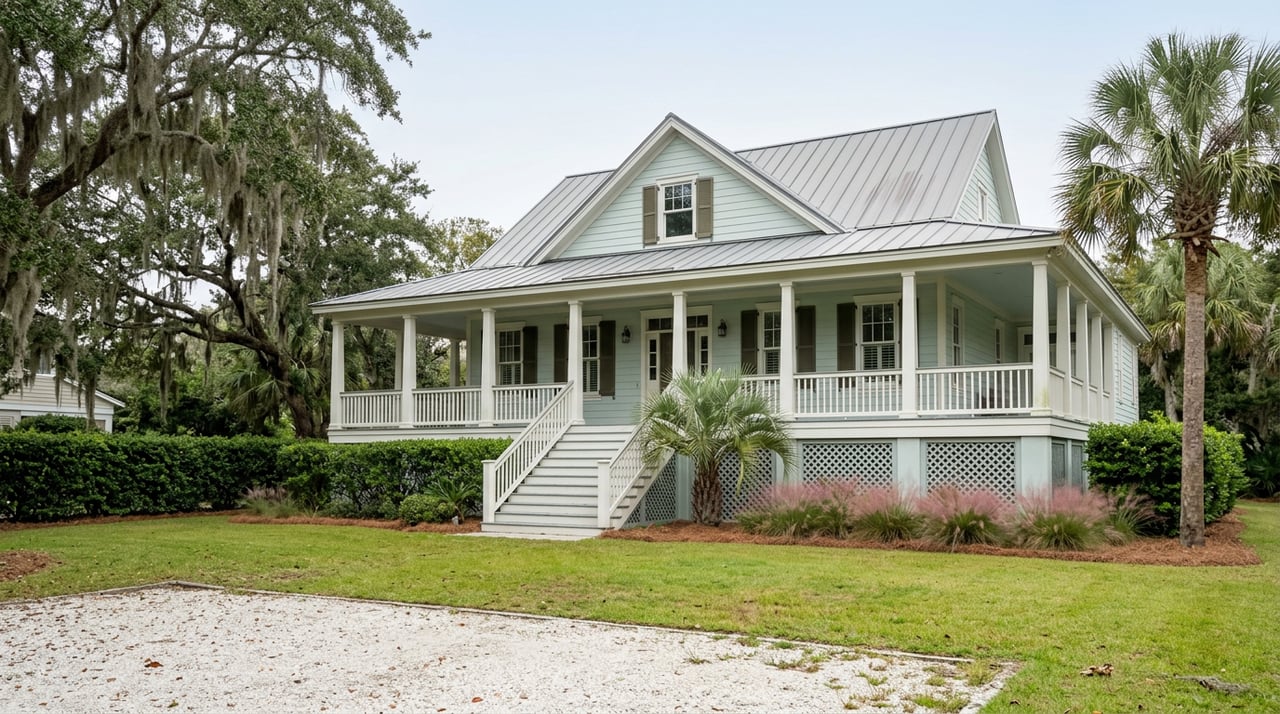
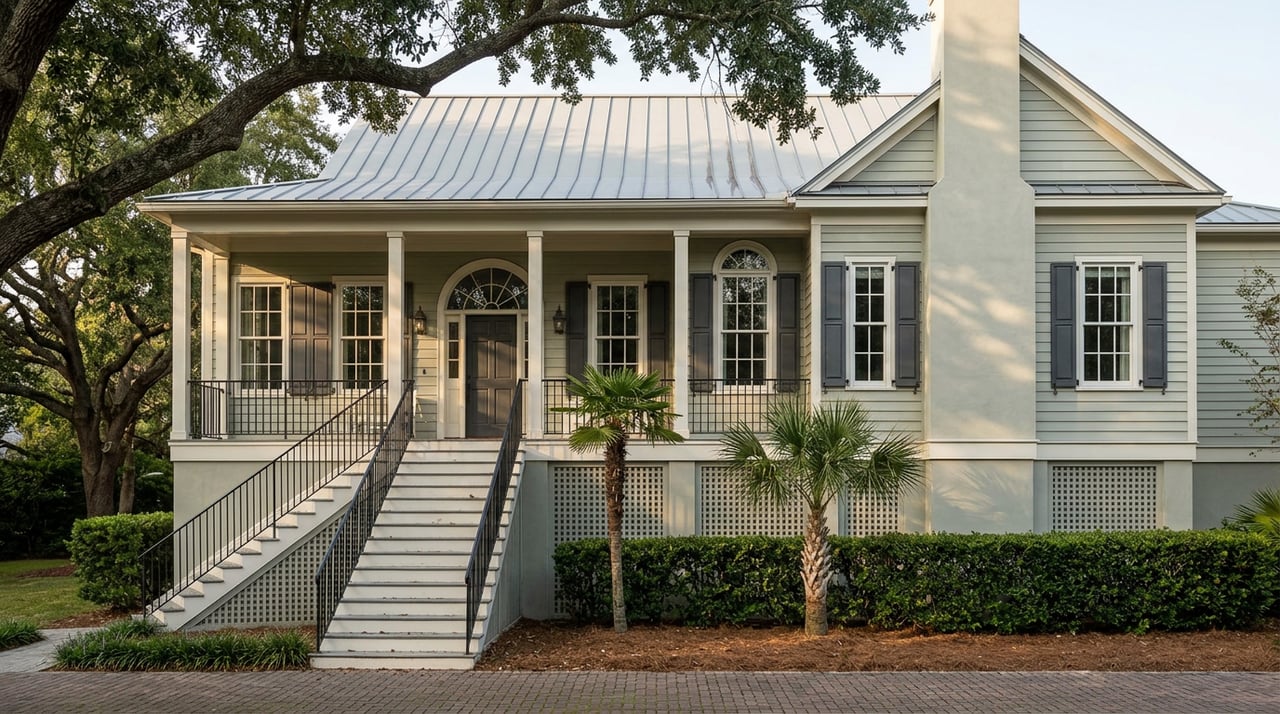
That history helps explain why a classic Folly cottage often feels so distinct. You are usually looking at an older, smaller-scale coastal home with a more relaxed beach-town character, not a newer planned-development product.
For many buyers, that is exactly the appeal. These homes often offer personality, proximity to the beach, and a sense of place that feels tied to Folly’s long-standing island lifestyle.
When you shop for a classic beach cottage on Folly Beach, it helps to expect a mix of charm and compromise. Based on the city’s history and development timeline, many cottages come from an older housing stock, which can mean smaller rooms, compact footprints, and a blend of original features and later updates.
That does not make them less desirable. It simply means your buying decision should balance atmosphere with practicality.
You may love the scale and style of an older cottage, but you should also look closely at how the home functions for your needs today. A home that feels perfect for weekends may work very differently if you plan to host often, renovate, or hold it long term.
One of the biggest mistakes buyers can make is assuming an older cottage can be updated easily after closing. In Folly Beach, the city requires permits for new construction, remodeling, and repairs, including both interior and exterior work on existing homes.
That requirement also extends to site improvements such as fences, pools, septic tanks, retaining walls, seawalls, and docks. In practical terms, even a modest cottage refresh can become a project that involves permits, inspections, and timing you need to factor into your plan.
If a property has already been improved, ask for the permit history. That simple step can help you confirm whether prior work was completed properly and whether future changes may be more limited than they first appear.
Folly Beach’s Planning and Zoning Department oversees the city’s Zoning and Development Ordinance and zoning map. That matters because zoning, overlays, and dimensional standards can directly affect what you can do with a cottage after purchase.
This is especially important if you are looking near Center Street. The Center Street Corridor Overlay covers the corridor from the Folly River Bridge to Arctic Avenue and is intended to keep development aligned with historical patterns.
The overlay area is not just another cottage block. The city notes that lots there are generally smaller, development is often closer to the street, and new standalone residential development must include a nonresidential ground-floor use.
For a buyer, that means location can shape both daily experience and future flexibility. A cottage near Center Street may feel more connected to the island’s activity, but it may also come with different use and development considerations than a property on a quieter residential street.
Beyond overlays, Folly Beach also has residential dimensional standards that affect lot size, setbacks, building height, and parking. One rule many buyers should note is the requirement for one off-street parking space per bedroom.
That can become a major consideration with older cottages on small lots. A home may feel like a candidate for expansion or reconfiguration, but site constraints may limit your options for additions, extra bedrooms, or parking changes.
Before you buy based on future potential, verify what the property can realistically support. On Folly Beach, the difference between a great idea and an allowed improvement can be significant.
If you are buying on Folly Beach, flood due diligence is not optional. The city states that the entire city is in a flood hazard area, and owners are directed to FEMA’s Map Service Center to verify the zone for a specific parcel.
The city also makes clear that flood damage is not covered by a standard homeowner’s policy. A separate flood insurance policy is required, and FEMA notes that National Flood Insurance Program policies typically have a 30-day waiting period before coverage begins.
That waiting period matters. If you wait too long to start the insurance process, you could create a coverage gap right when you need protection in place.
On Folly Beach, flood risk is closely tied to elevation and construction standards. The city says it enforces V-zone construction standards throughout the city, even in A zones, and that the lowest horizontal structural member of new or substantially improved structures must be elevated to at least one foot above base flood elevation.
The city also defines substantial improvement in a way buyers should take seriously. If the cost of work reaches 50% of the building’s assessed or appraised value, with permit work from the previous 10 years counted in that calculation, the project may trigger more extensive compliance requirements.
This is one reason elevation certificates are so important. Folly Beach keeps flood elevation certificates on file for new construction and substantially improved structures, and those documents can play a meaningful role in insurance pricing, permit review, and your understanding of future costs.
Flood coverage on Folly Beach can help cover the structure and contents, but the city notes that it does not cover items outside the house such as driveways and landscaping. On a barrier island, where outdoor spaces are a big part of ownership, that distinction is worth understanding upfront.
There is also some good news. Folly Beach participates in both NFIP and CRS, and FEMA’s April 2025 eligible communities list shows Folly Beach as Class 3, which corresponds to a 35% discount.
That discount can help, but it should not replace property-specific due diligence. Your actual cost will still depend on the parcel, flood zone, elevation, and the structure itself.
Not all Folly Beach cottage locations feel the same. The island’s beach rules highlight practical differences tied to beach access and activity, including common rip currents, protected dunes, public walkovers at every block, and seasonal surfing restrictions in designated swimming areas.
If you are drawn to surf culture, you will likely hear about The Washout. Explore Charleston describes The Washout as one of Folly’s prized surfing spots, and the city’s ADA accessibility page places The Washout restaurant and beach access area on Center Street and East Ashley.
That context matters because buyer lifestyle and property fit go hand in hand. A cottage near a busy access point or surf area may offer energy and convenience, while a cottage farther from the island’s main activity may feel quieter and more residential.
Center Street serves as the island’s civic and commercial spine. The city’s accessibility page identifies City Hall, the Community Center, the fishing pier, and local businesses in that area, which helps explain why homes nearby often feel more active and more compact.
For some buyers, being close to that activity is a real advantage. You may appreciate easier access to restaurants, the pier, and beach activity without needing to drive.
For others, a more tucked-away cottage may be the better fit. The key is knowing that on Folly Beach, a few blocks can make a meaningful difference in noise, foot traffic, parking patterns, and overall feel.
Buying on a barrier island also means understanding the shoreline itself is not static. The U.S. Army Corps of Engineers reports that emergency renourishment work completed in 2024 after Hurricane Ian placed about 1 million cubic yards of beach-compatible material on Folly Beach.
The city also notes that its tide gauge and CoastSnap station help track shoreline change, sea-level rise, king tides, and hurricanes. That does not mean every buyer needs to become a coastal engineer, but it does mean beach condition, erosion, and resiliency work are part of the long-term ownership picture.
If you are buying a classic cottage here, it helps to think beyond the house itself. The broader coastal environment shapes value, maintenance, and your experience over time.
Before you move forward on a Folly Beach cottage, make sure you cover the basics early:
Each of these steps can help you separate true opportunity from expensive assumptions.
A classic beach cottage on Folly Beach can offer exactly what many buyers want: history, character, and an unmistakable island feel. But the same qualities that make these homes special can also come with tighter lots, older construction, flood considerations, and stricter renovation realities.
If you approach the process with strong local guidance and careful due diligence, you can enjoy the charm while making a more informed decision about cost, flexibility, and long-term fit. If you are considering a cottage on Folly Beach or another Lowcountry island property, Gus Bright offers a polished, hands-on approach to help you evaluate the lifestyle and the details with confidence.

With an intimate knowledge of the Charleston Low Country area, Gus Can help you find your personal version of Luxury Island Living.