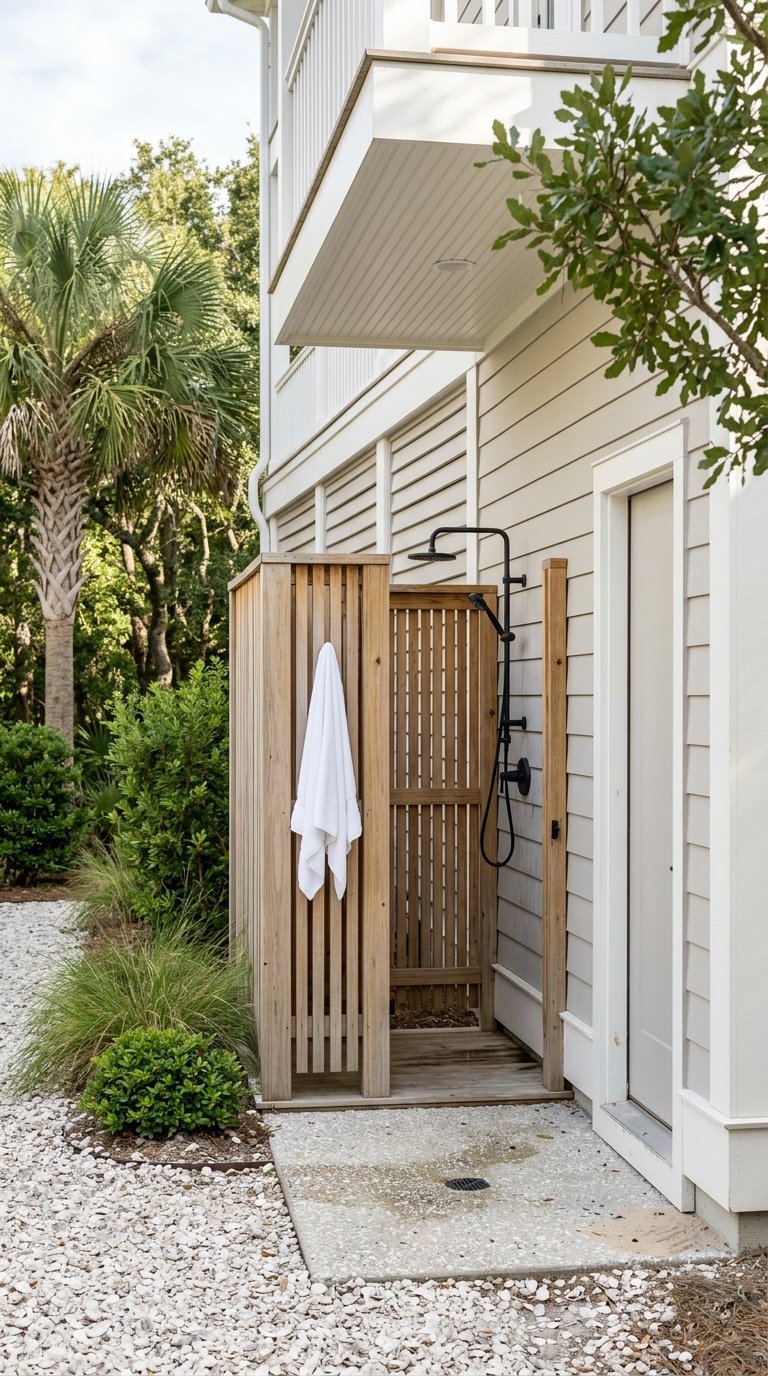
Isle of Palms Vacation Homes: What Buyers Should Know
May 14, 2026
May 14, 2026
Dreaming about a beach house that actually gets used, not just admired from afar? If you are considering a vacation home on Isle of Palms, you are probably weighing two big goals at once: creating a personal retreat and making a smart long-term ownership decision. The good news is that Isle of Palms offers a rare mix of beach lifestyle, rental flexibility, and close access to Charleston. Here is what you should know before you buy.
Isle of Palms is a seven-mile barrier island about eight miles east of Charleston. The city describes it as both a residential community and a summertime getaway destination, which helps explain why it attracts buyers looking for a second home with more than one purpose.
For many buyers, the appeal is simple. You can own a place that feels like a true escape while still having the option to rent it when you are not using it. That balance is one of the reasons Isle of Palms stands out among Charleston-area beach markets.
Another advantage is the island’s layout. Isle of Palms is relatively narrow, ranging from about 0.35 to 1.6 miles wide, so even homes away from the ocean can still feel close to the beach. At the same time, small location differences can have a big impact on convenience, parking, and how the property functions for guests.
Buying on Isle of Palms is not just about finding the right house. It is also about choosing the right part of the island for how you plan to use it.
The Front Beach commercial district runs along Ocean Boulevard from 10th Avenue to 14th Avenue. This area includes restaurants, shops, public restrooms, and ample parking, making it one of the most amenity-rich and walkable parts of the island.
If you picture stepping out for coffee, meals, or a quick beach walk without needing to drive everywhere, this area may fit your goals. The tradeoff is that traffic and parking activity are more noticeable here during the busy season.
The city offers more than 50 beach access paths, with 56 public access points between Breach Inlet and 57th Avenue, plus 13 community access points in Wild Dunes. That means many central island blocks offer practical beach access, but not every street works the same way.
For a vacation-home buyer, this matters more than people often expect. A home’s exact block can affect how easy it is for you, your family, or your guests to walk to the beach, unload gear, and manage parking during peak months.
On the eastern end of the island, Wild Dunes offers a more resort-oriented ownership experience. It includes oceanfront and inlet-side accommodations, along with golf, spa, dining, pools, and 2.5 miles of uninterrupted Atlantic beachfront.
This setting often appeals to buyers who want amenities and a destination feel built into the ownership experience. It can be a strong fit if you want your vacation home to feel like a retreat from the moment you arrive.
Because the island is narrow, inland and waterway-side homes still benefit from close proximity to the beach. These areas can appeal to buyers who want a second home that feels a bit more removed from the busiest beachfront activity.
That said, convenience still varies by street. If you are comparing options near Palm Boulevard, Ocean Boulevard, or the Waterway Boulevard and Palmetto Drive corridor, it is worth looking closely at beach access, parking patterns, and how the location supports your day-to-day use.
If rental income is part of your plan, Isle of Palms is more flexible than some nearby beach communities, but it is still regulated. The city requires any property owner renting residential units to obtain a rental business license.
The current rules also require whole-home rentals for single-family homes. In addition, the city sets occupancy and vehicle limits and requires a 24/7 contact who can be on site within one hour if needed.
For some owners, these rules are manageable and align well with occasional or seasonal rental use. For others, they shape the kind of property that makes the most sense, especially if off-street parking is limited or if the home is intended for larger family stays.
The city also notes that owners may request up to four portable parking permits per calendar year when off-street parking is limited. That can be helpful, but it should not replace a careful review of the property’s parking setup before you buy.
The way you plan to use the property affects more than rental logistics. It also affects carrying costs.
According to the city, a property that does not qualify as the owner’s primary legal residence is assessed at 6% for property tax purposes. For many second-home buyers, that means your tax treatment will differ from a primary residence.
If you rent the home for fewer than 90 consecutive days, South Carolina’s accommodations tax applies. The state tax structure includes 5% sales tax, 2% accommodations tax, plus any local taxes that apply.
This is why it helps to think through your ownership plan early. A home used only by your household, a hybrid personal-and-rental property, and a more active vacation rental can each come with a different cost profile.
Isle of Palms is strongly seasonal, especially when it comes to traffic, parking, and beach activity. City-paid parking is enforced from March 1 through October 31 at municipal lots and Front Beach on-street spaces.
During the summer season, the Beach Reach shuttle operates from Memorial Day weekend through Labor Day weekend on weekends and select holidays, and it is fare-free throughout the summer. The city also advises visitors to plan ahead and avoid peak traffic hours.
For owners, this is not necessarily a negative. It is simply part of understanding how the island functions during the busiest months and choosing a location that fits your tolerance for activity and access patterns.
Beach access is a major strength of Isle of Palms, but it is also something to watch closely. The city has reported occasional access-path closures during erosion and king-tide events, and it is moving ahead with a 2026 beach renourishment project to restore sand lost to natural erosion and storm events.
A vacation home on Isle of Palms is about more than square footage or finishes. It is about how the property performs for your lifestyle.
For example, if you imagine hosting large gatherings, it is important to know that the city requires a permit for gatherings on public property, including the beach and beach access paths, when attendance exceeds 50 people. The city’s beach rules also prohibit alcohol, glass, smoking, vaping, and overnight storage of chairs, tents, coolers, and similar items.
Those rules help shape what everyday ownership looks like. If your ideal use includes reunion weekends, holiday gatherings, or easy guest turnover, you will want a property that supports those goals within city requirements.
If you are considering a condo, resort property, or home in a planned community, city rules are only one piece of the picture. You should also review community covenants, rental policies, and parking allocation before assuming the property can be used exactly the way you intend.
One reason Isle of Palms gets so much attention from second-home buyers is that nearby beach markets do not offer the same blend of flexibility. The differences can be significant.
Sullivan’s Island is much more restrictive. Its zoning code states that vacation rentals are prohibited, except for a narrow set of older nonconforming uses.
Folly Beach allows short-term rentals, but current city materials describe a waitlist system and note that no new licenses are projected to be available for the next business license year. Seabrook Island also has a more controlled short-term rental structure with permit caps and overlay-based rules.
By comparison, Isle of Palms lands in a middle ground. It allows rental use through a city license while still enforcing clear occupancy, parking, and contact requirements. For buyers who want both personal enjoyment and rental potential, that can be a meaningful advantage.
Before you move forward, it helps to evaluate each property through the lens of how you will actually use it. A beautiful home is only part of the equation.
Focus on these practical questions:
The right answer depends on your goals. Some buyers want a polished lock-and-leave retreat. Others want a property that works hard when they are away. On Isle of Palms, both paths can make sense if you choose carefully.
Owning a vacation home here can be both personal and practical, but the best results usually come from understanding the island at a block-by-block level. If you want help comparing locations, reviewing use cases, or narrowing down the right fit for your second-home goals, Gus Bright can guide you through the process with local insight and concierge-level support.
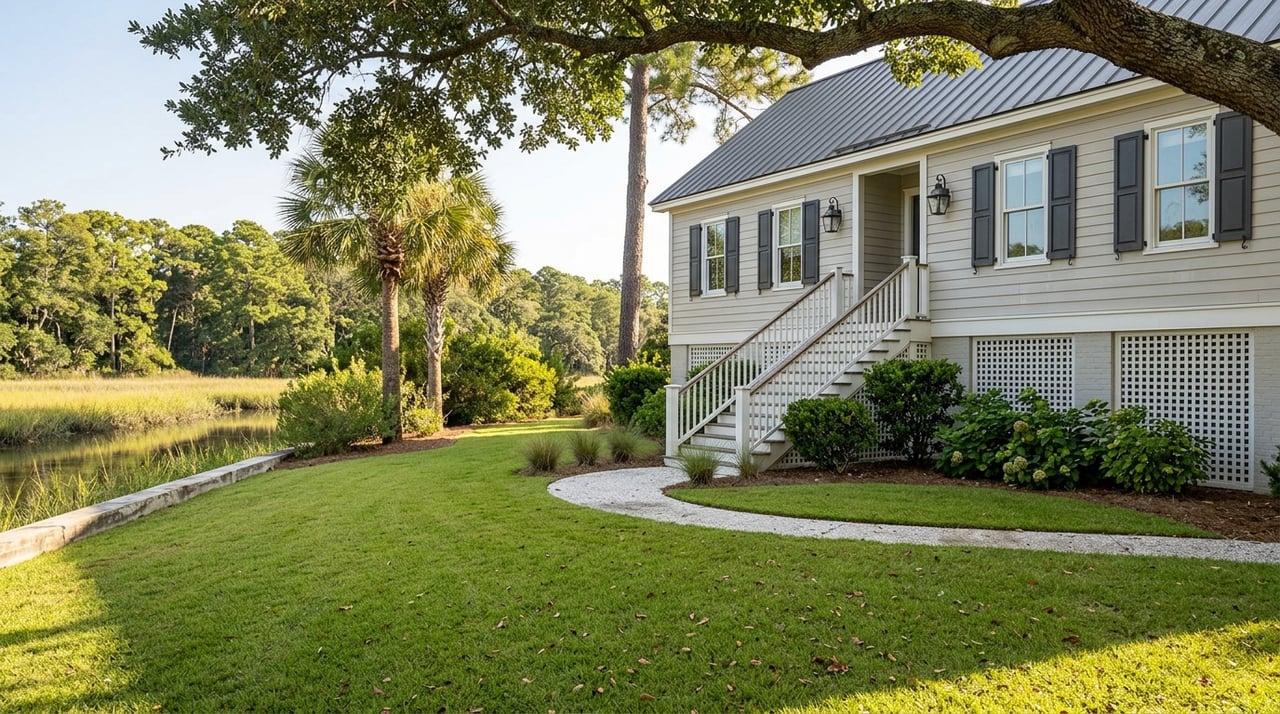
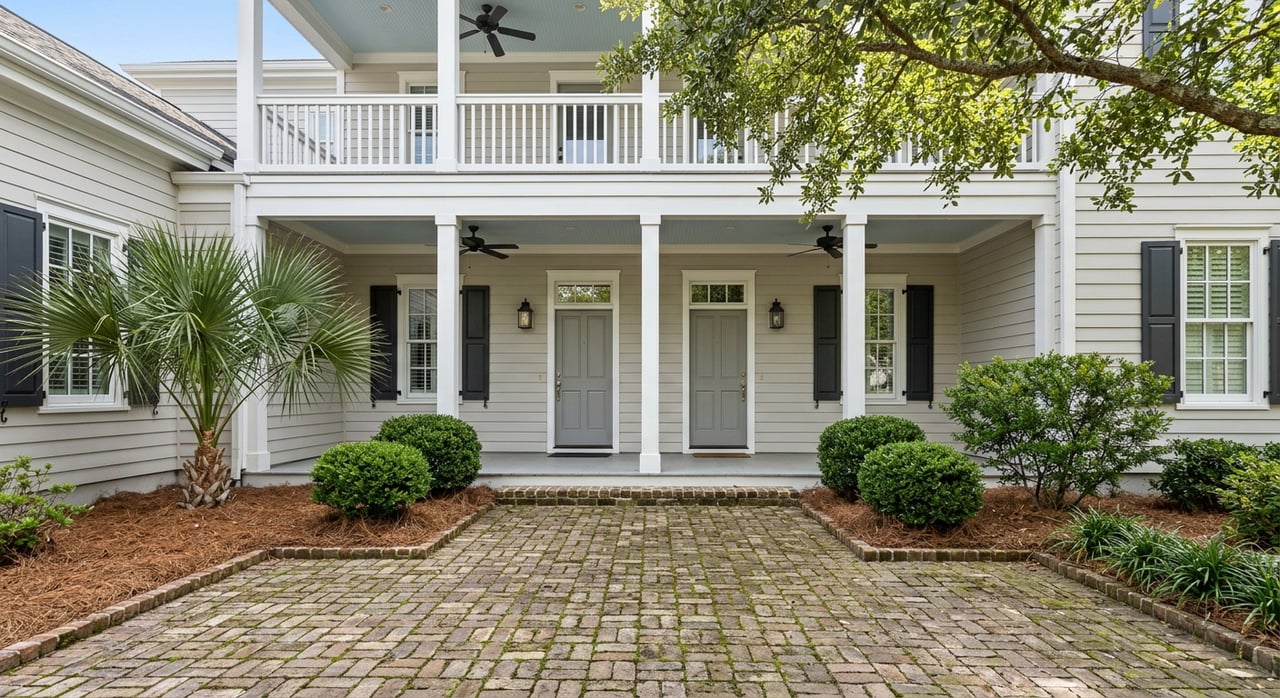
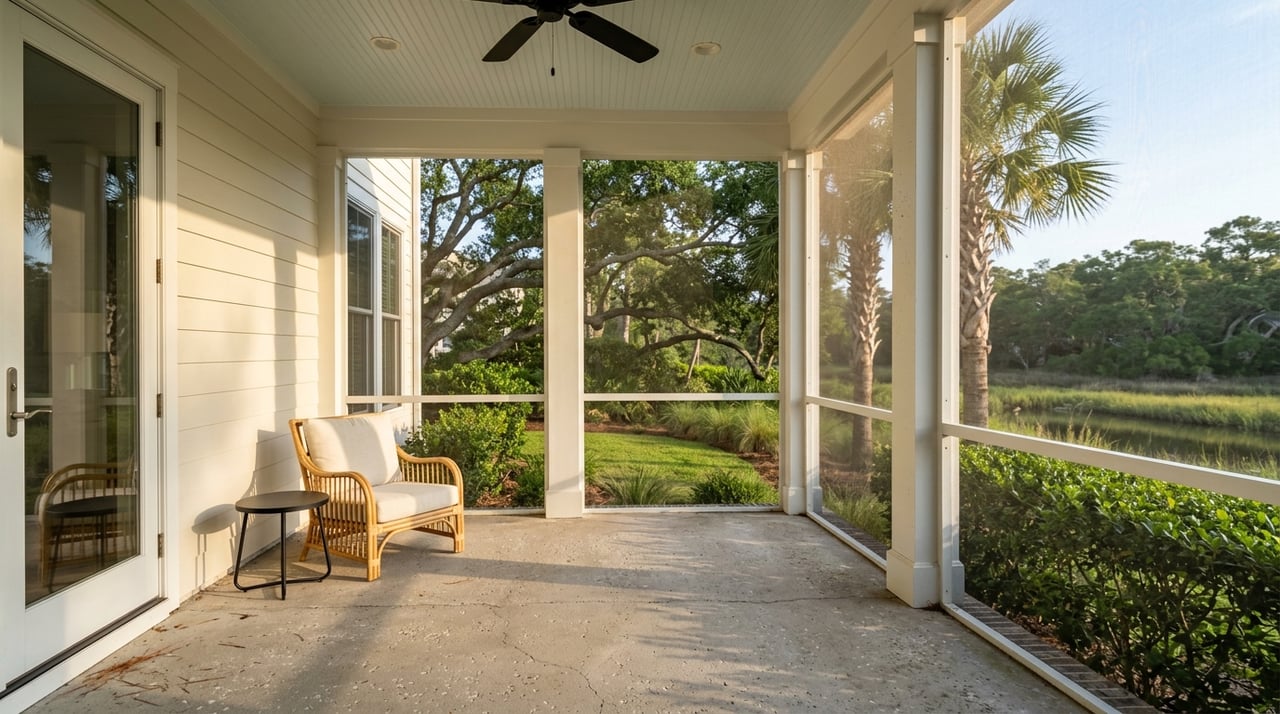
With an intimate knowledge of the Charleston Low Country area, Gus Can help you find your personal version of Luxury Island Living.