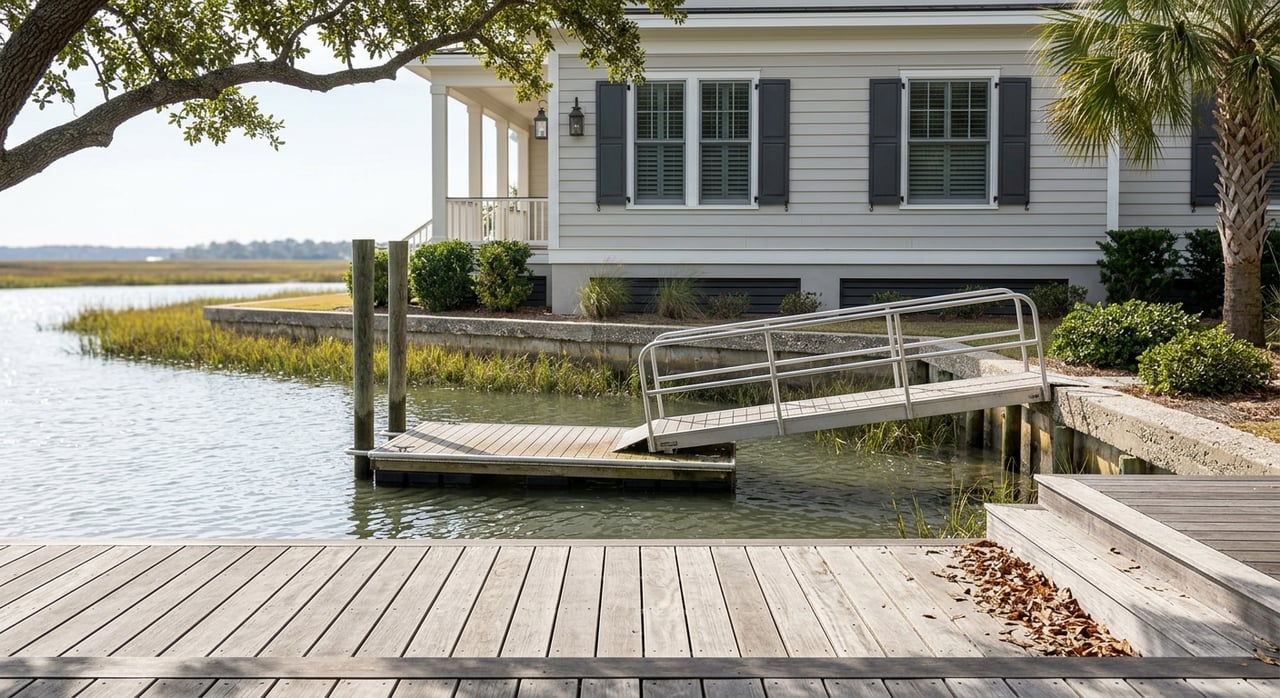
Choosing Charleston Area Waterfront Living: Island or Mainland
April 23, 2026
April 23, 2026
Trying to choose between island and mainland waterfront living around Charleston? It is a great problem to have, but it can get complicated fast once you weigh boating access, commute time, flood exposure, insurance, and day-to-day convenience. If you are focusing on Mount Pleasant and comparing it to the barrier islands, this guide will help you sort through the real trade-offs so you can match your purchase to how you actually want to live. Let’s dive in.
The biggest mistake buyers make is treating waterfront as one category. In the Charleston area, waterfront living often falls into two very different groups: barrier-island living on places like Kiawah, Seabrook, Isle of Palms, Sullivan’s Island, and Folly Beach, or mainland waterfront living in Mount Pleasant.
That distinction matters because the lifestyle can feel very different once you factor in access, storm planning, and how often you plan to use your home or boat. According to Charleston County evacuation guidance, the immediate-coast islands are part of the county’s evacuation planning, while Mount Pleasant is also included in coastal flood guidance because some low-lying areas can face localized and storm-surge flooding.
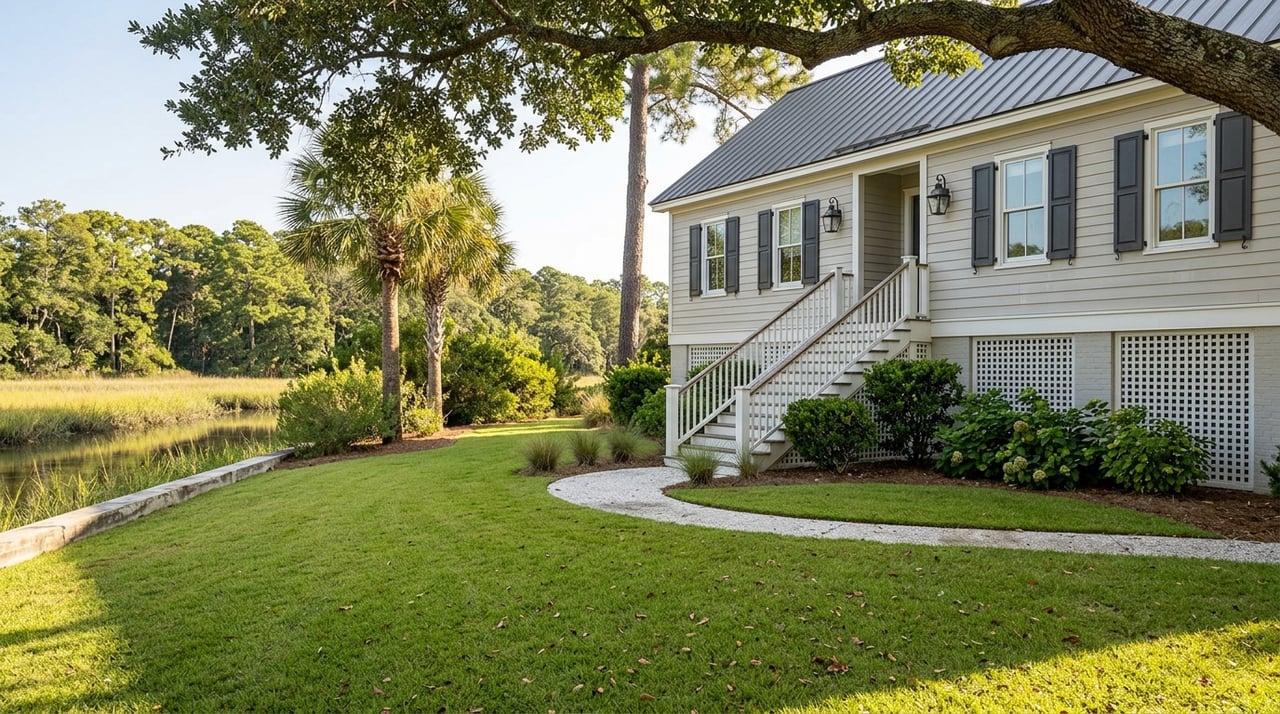
For many buyers, Mount Pleasant offers the most flexible version of waterfront living. You can have access to the harbor, creeks, and the Wando River without the same barrier-island evacuation constraints that come with living directly on the coast.
The town also offers practical boating infrastructure. The Town of Mount Pleasant flood protection page notes local flooding considerations, and the area is supported by public landings like Remley’s Point and Shem Creek.
If you keep your boat on a trailer and want to launch often, Mount Pleasant is one of the simplest options in the Charleston area. The South Carolina boating facilities guide lists Remley’s Point with a 3-lane ramp, two courtesy docks, a fishing pier, and paved parking, while Shem Creek offers a 2-lane ramp and courtesy dock.
That setup can make everyday boating feel much more convenient. Instead of building your week around a long drive or marina logistics, you may have more flexibility to launch and get on the water quickly.
Another advantage is commute convenience. One local guide places Mount Pleasant at roughly 20 to 40 minutes from downtown Charleston depending on traffic, which generally makes it one of the shortest and most flexible waterfront commute profiles in the region.
If you plan to use your property as a primary residence, or if you want easier access to downtown appointments, dining, and travel connections, that can carry real weight. It is often a different rhythm from barrier-island living.
Barrier islands deliver a more immediate coastal setting. If your priority is stepping into a beach-town atmosphere or owning in a place where the ocean shapes daily life, the islands may feel more aligned with your goals.
That said, each island supports a slightly different version of waterfront living. The right fit depends on whether you care most about beach access, marina access, privacy, public boat ramps, or a more managed club environment.
Kiawah and Seabrook often appeal to buyers who want a more structured coastal experience. On Kiawah, the town’s Emergency Preparedness Guide notes susceptibility to hurricanes, floods, King Tides, and storm surge, while also outlining water-access points such as kayak docks, boat storage, and a marina just outside the gate.
Seabrook has similar flood considerations. The town’s floodplain management guidance says the island is susceptible to ocean flooding, river and tributary flooding, storm surges, heavy rains, and high tides, while Bohicket Marina serves as the main boating hub for the Kiawah and Seabrook corridor.
For buyers who prefer slip, dry-stack, or managed marina arrangements, these islands may offer a cleaner fit than a trailer-based boating lifestyle. They can be especially attractive if you are shopping for a second home and want a more curated environment.
If you want a beach-town setting with straightforward public launch options, Isle of Palms and Folly stand out. The City of Isle of Palms says the island is low-lying and either in or very near a flood plain, with hurricanes and storm surge as the greatest flood risks, and its marina includes public ramp and dock access.
Folly Beach also combines coastal lifestyle with public boating infrastructure. The city’s hurricane preparedness page emphasizes evacuation planning, re-entry controls, and the importance of flood coverage, while the Folly River Boat Ramp provides public landing access.
For some buyers, that mix of beach atmosphere and usable public boating access is the sweet spot. For others, the added congestion and evacuation planning may feel like too much friction.
Sullivan’s Island is a different conversation. Based on the town’s floodplain and mapping resources, this is a highly regulated waterfront market with detailed flood tools and rules related to watercraft movement and dune protection.
In practical terms, Sullivan’s Island tends to be less about marina-first convenience and more about limited inventory, premium positioning, and a highly specific ownership experience. Buyers drawn there are often prioritizing a very particular setting rather than boat-launch simplicity.
One of the most important takeaways is that island versus mainland is not the whole risk story. Flood and insurance costs depend heavily on the specific property, including elevation, flood zone, foundation type, and exposure.
FEMA states that standard homeowners insurance does not cover flood damage, and National Flood Insurance Program policies typically have a 30-day waiting period. Mount Pleasant’s flood guidance also notes that flood coverage is worth considering even in low-to-moderate-risk areas, and that homes in high-risk AE and VE zones have a 26% chance of flood damage over the life of a 30-year mortgage.
On the barrier islands, the flood conversation tends to be more front and center. Kiawah, Seabrook, Isle of Palms, and Folly all publish guidance that directly addresses storm surge, tides, and evacuation planning.
Charleston’s broader planning context also matters. As cited in county and city coastal guidance, storm surge is not only a beachfront issue, and sea-level planning continues to shape how buyers should think about long-term ownership in low-lying areas.
Mount Pleasant is often seen as the easier choice, but it is not flood-free. The town specifically warns about localized drainage flooding and storm-surge flooding in some areas, so each property still deserves a careful review before you buy.
This is especially important if you are comparing homes with docks, creek frontage, marsh views, or river exposure. The right answer usually comes from property-level due diligence, not broad assumptions.
Pricing can also quickly reshape the island-versus-mainland decision. Based on the research provided, Mount Pleasant offers the broadest range, with Zillow reporting an average home value around $875K and Redfin showing a March 2026 median sold price of $880K, while luxury waterfront properties can regularly exceed $2.5M.
That range gives buyers more room to fine-tune trade-offs. You may be able to prioritize boating convenience, commute ease, or lot type without automatically moving into the highest price tier.
The barrier islands generally move higher, although each market behaves differently:
Those numbers are useful starting points, but inventory, location, water access, and condition can shift value quickly. On waterfront property, the details matter.
If you are deciding between Mount Pleasant and the islands, start with your real-life priorities instead of the label. A waterfront home that sounds perfect on paper may feel inconvenient if it does not support your routine.
Ask yourself:
Mount Pleasant is often the better fit if you want:
A barrier island may be the stronger fit if you want:
In the end, this is less about island versus mainland in the abstract and more about how you want your waterfront life to function. Mount Pleasant tends to win on flexibility, launch convenience, and commute ease, while the islands often win on atmosphere, beach immediacy, and a more immersive coastal setting.
If you want help comparing specific waterfront options in Mount Pleasant, Kiawah, Seabrook, or the broader Charleston area, Gus Bright offers a concierge-level, relationship-driven approach designed to make the process clear, efficient, and tailored to how you actually plan to live.
With an intimate knowledge of the Charleston Low Country area, Gus Can help you find your personal version of Luxury Island Living.