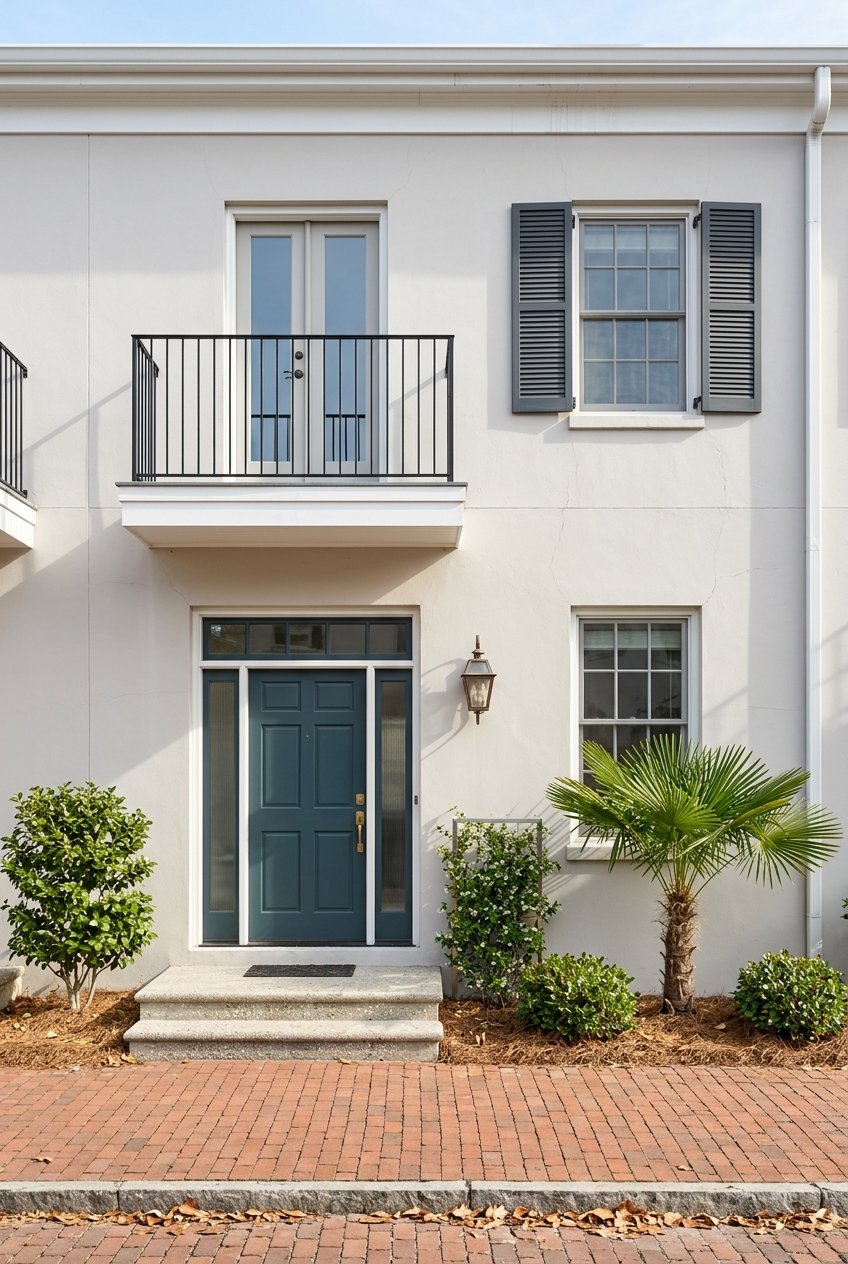
Explore Charleston Peninsula Lock-and-Leave Living
May 28, 2026
May 28, 2026
Looking for a Charleston home you can enjoy without feeling tied to a long maintenance list? If you want an in-town base for weekends, seasonal stays, or frequent travel, the Charleston Peninsula offers a rare mix of convenience, culture, and everyday ease. The right property can give you walkable access to downtown while reducing the hands-on demands that often come with a detached historic home. Let’s dive in.
Lock-and-leave living works best when your daily needs are close at hand. On the Charleston Peninsula, that setup is more realistic because downtown serves as the city’s cultural, commercial, and residential core. King Street is also identified by the city as the region’s shopping and dining hub, which gives you a strong lifestyle foundation right outside your door.
The peninsula also supports a more car-light routine than many buyers expect. Official peninsula maps show DASH shuttle stops, water-taxi access, and parking garages, while CARTA’s free DASH routes serve areas including King Street, City Market, Waterfront Park, Broad Street shopping, the Aquarium, and Upper King. If your goal is to arrive, settle in, and enjoy Charleston without coordinating every errand by car, that matters.
For many buyers, that convenience is the real appeal. You can use your property as a true urban home base, whether you are visiting for long weekends, splitting time between cities, or simply wanting a lower-maintenance downtown lifestyle.
Not every part of the peninsula offers the same ownership experience. Charleston’s Downtown Plan notes that areas south of Calhoun Street are expected to absorb less new development, while areas north of Calhoun can accommodate more growth. That distinction can be helpful if you are comparing a classic historic setting with neighborhoods that may offer more condo and townhome-style options.
In practical terms, the most promising search often begins in and around Upper King, King Street, Ansonborough, the French Quarter, Harleston Village, Radcliffeborough, and Cannonborough/Elliottborough. These areas combine proximity to downtown amenities with housing types that may be easier to manage than a detached historic house.
If convenience is your top priority, the King Street corridor deserves an early look. This part of downtown puts shopping, dining, and entertainment close by, and the Downtown Plan points to nearby areas as places where more infill and redevelopment are expected. For some buyers, that can translate into newer or more updated ownership options with a simpler upkeep profile.
This area can work especially well if you want to lock the door and step right into city life. With DASH service and a dense mix of restaurants, retail, and public destinations, it supports a lifestyle built around access rather than car dependence.
If you want a historic setting with easy access to downtown culture, Ansonborough and the French Quarter are strong areas to research. Explore Charleston describes Ansonborough as one of the city’s most historic neighborhoods, and the French Quarter sits within one of Charleston’s oldest districts.
These subareas often appeal to buyers who want a refined address in the historic core without automatically defaulting to a large detached house. Depending on the specific building and ownership structure, condo and converted-building opportunities here can offer a more manageable fit for part-time use.
Harleston Village and Radcliffeborough offer another useful middle ground. They are part of the peninsula’s established downtown residential fabric, and they place you near daily conveniences while still feeling connected to the larger downtown experience.
For lock-and-leave buyers, these areas can be appealing because they balance neighborhood character with practical access. If you want a residence that feels residential but still keeps parks, dining, and downtown destinations within reach, these are worth a close look.
Cannonborough and Elliottborough tend to attract buyers who want a more energetic in-town atmosphere. Explore Charleston describes Cannonborough as laid-back but active, with historic homes, modern builds, corner stores, coffee shops, community gardens, and creative restaurants.
That mix can be attractive if you want your Charleston home to feel lively and current. It is also an area where buyers often look for ownership options that pair urban character with a lower-maintenance setup.
South of Broad remains one of the peninsula’s signature addresses, but it is not always the easiest match for maintenance-light ownership. The Downtown Plan indicates that areas south of Calhoun are more protected, and Charleston’s Board of Architectural Review closely oversees visible exterior changes in historic districts.
That does not mean South of Broad is off the list. It simply means the best fit there is often a managed condo or similar property type rather than a classic historic house that may require more direct oversight.
A lock-and-leave property only works if it is easy to enjoy when you are in town. On the peninsula, that lifestyle premium is one of the biggest reasons buyers focus here in the first place.
King Street remains downtown Charleston’s retail anchor, and the official shopping guide notes that Charleston City Market includes three open-air sheds and one Great Hall with more than 140 merchants, including 20 locally owned boutiques. For many owners, that means dining, shopping, and spontaneous outings can become part of your normal routine instead of a special trip.
The peninsula also brings major cultural destinations into close range. Official visitor resources place the International African American Museum, Charleston Museum, Dock Street Theatre, Gibbes Museum of Art, and the College of Charleston downtown. If you want a home base that supports evenings out, daytime walks, and weekend plans without much logistical effort, this setting delivers.
Public green space adds another layer of convenience. The city describes Waterfront Park as an eight-acre linear park and pier with walking and jogging paths, while Marion Square is a 10-acre park with a fountain, performance area, seasonal festivals, and the downtown farmers market on Saturday mornings from April through November in 2026.
Put together, these features support a full urban rhythm. You can run errands, enjoy a meal, spend time outdoors, and take in local culture all within the downtown core.
Even when a property feels simple on the surface, lock-and-leave ownership still requires due diligence. Charleston’s historic setting and coastal conditions make this especially important.
If you buy within the historic core, Charleston’s Board of Architectural Review is part of the ownership landscape. The city says the board reviews new construction, alterations, and renovations visible from the public right-of-way within historic districts, along with many demolitions. Some smaller items may be handled by staff, including painting, sitework, signage, and repairs.
For you, the takeaway is straightforward. A property that appears low-maintenance is not necessarily regulation-free, especially if future exterior work is part of your plan.
Condo ownership can reduce the amount of hands-on maintenance you handle personally, but it does not eliminate responsibility. South Carolina law states that common expenses include the operation, maintenance, repair, or replacement of common elements, and condominium budget rules require reserve accounts for capital expenditures and deferred-maintenance items.
Before you assume a condo is the easiest option, review the key documents carefully. Focus on:
This is one of the most important steps in choosing a true lock-and-leave property. A well-managed building can simplify ownership, while an underfunded one can create surprises.
Flood planning should be part of your shortlist process for any peninsula purchase. The City of Charleston provides floodplain maps, TideEye projections, NOAA tide predictions, storm-surge tools, and sea-level-rise planning resources. Its floodplain page also notes a 2019 strategy recommending planning for 2.0 to 3.0 feet of sea-level rise over the next 50 years.
As you compare options, verify the property’s flood zone, insurance considerations, elevation, and any garage or ground-floor exposure. Those details can shape both your ownership costs and your comfort level when you are away from the property.
If you want to make your search more efficient, start by matching the property type to your real lifestyle. Many buyers say they want historic charm, but what they actually need is a home they can leave confidently for weeks at a time.
A useful shortlist often starts with these questions:
When you answer those questions honestly, the field usually narrows fast. For many buyers, the best match ends up being a condo or townhome-style property near Upper King, Ansonborough, the French Quarter, Harleston Village, Radcliffeborough, or Cannonborough/Elliottborough.
The Charleston Peninsula can be an excellent place to own a low-maintenance home base, especially if you value walkability, culture, and easy access to downtown amenities. In many cases, the strongest lock-and-leave options are condos or townhome-style residences in and around Upper King, King Street, Ansonborough, the French Quarter, Harleston Village, Radcliffeborough, and Cannonborough/Elliottborough.
The key is choosing a property that fits both your lifestyle and your tolerance for hands-on ownership. If you want polished guidance, local insight, and a concierge-level approach to narrowing the right in-town option, Gus Bright can help you move forward with clarity.
With an intimate knowledge of the Charleston Low Country area, Gus Can help you find your personal version of Luxury Island Living.