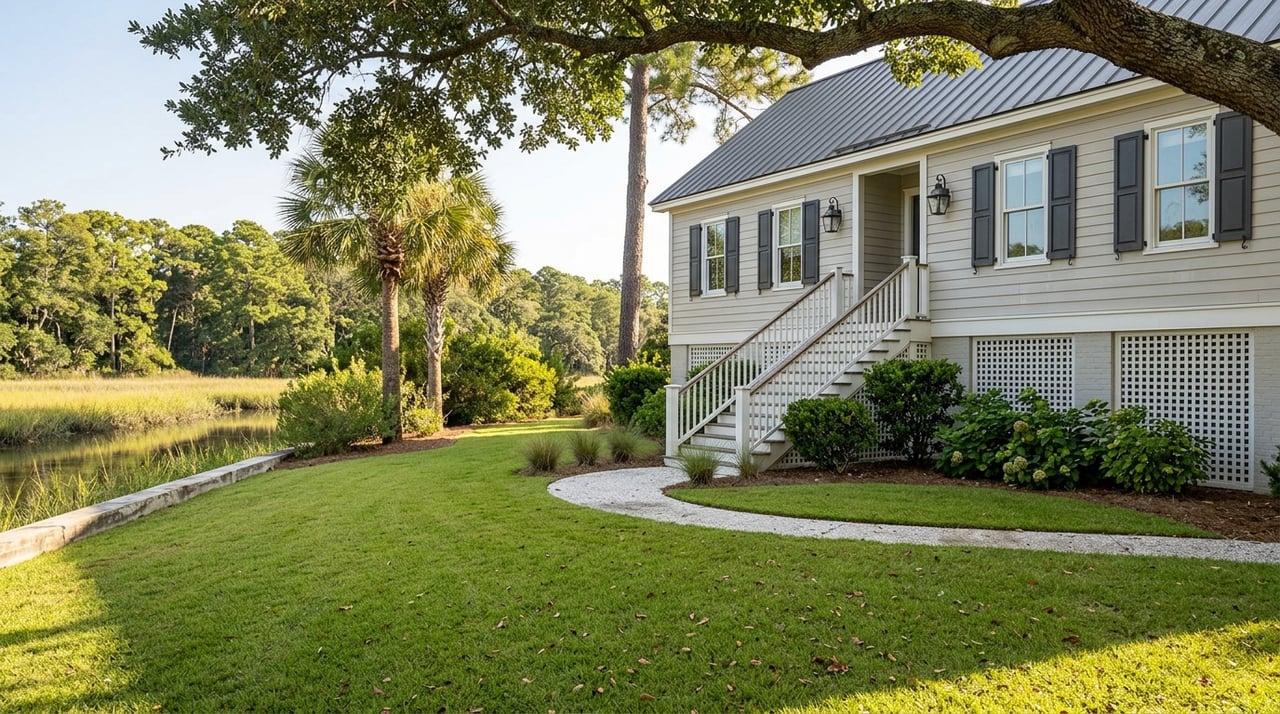
Johns Island Waterfront vs Acreage: Which Lifestyle Fits?
July 2, 2026
July 2, 2026
If you are drawn to Johns Island, you may already know the hardest part is not deciding whether to live there. It is deciding what kind of Johns Island life fits you best. For some buyers, that means waking up to marsh views and planning the day around the tide. For others, it means gate-free space, room to build, and the privacy that comes with a larger piece of land. This guide will help you compare waterfront versus acreage living on Johns Island so you can weigh lifestyle, property use, and due diligence with more confidence. Let’s dive in.
Johns Island sits within Charleston County’s coastal growth pattern, and that matters when you start comparing property types. The island includes more urbanizing areas as well as rural agricultural and rural residential areas, with the Urban Growth Boundary helping separate higher-intensity growth from lower-intensity rural land patterns.
In simple terms, waterfront living and acreage living often lead to very different daily experiences. One centers on direct access to tidal water, boating, and views. The other centers on privacy, flexibility, and space for long-term plans.
On Johns Island, waterfront living is often about proximity to creeks, marshes, and tidal water. Buyers are typically drawn to boat access, the possibility of a private dock, and the visual appeal of wide water or marsh-front settings.
That appeal comes with an important reality. Coastal features like docks, pier changes, shoreline stabilization, and work in tidal critical areas are regulated through South Carolina’s coastal permitting system, not just local neighborhood rules.
Acreage living tends to appeal to buyers who want land they can actually use. Larger inland parcels may offer room for gardens, animals, barns, hobby spaces, detached structures, or a custom estate layout, depending on zoning and site conditions.
Charleston County’s zoning framework specifically contemplates agricultural uses, horse or other animal production, horticultural production, community gardens, barns, and farm-related structures in agricultural districts. That is a big reason acreage can feel like a natural fit for buyers who want flexibility beyond the house itself.
For many buyers, waterfront is the dream version of Lowcountry living. You get the visual connection to the landscape that makes Johns Island so memorable, and in some cases, the practical benefit of launching a boat from your own property.
Still, the best waterfront purchase is usually the one made with clear eyes. The beauty is real, but so are the extra layers of review, maintenance, and flood planning.
If direct water access is high on your list, waterfront may be the obvious choice. A waterfront lot can offer a private dock opportunity, easier boat use, and a stronger tie to daily life on the water.
On Johns Island, those improvements are subject to state coastal oversight. South Carolina’s Bureau of Coastal Management within SCDES has authority over critical-area work in Charleston County, and private docks, pier alterations, and shoreline stabilization in tidal critical areas generally require review and permits.
SCDES also notes that work below the mean high-water line in navigable waters may require a Construction in Navigable Waters permit unless the work falls within tidal critical-area jurisdiction. For you as a buyer, that means a lot with water frontage may also come with more permitting steps before you can add or change a dock, lift, bulkhead, or related feature.
Flooding is one of the biggest practical questions for waterfront buyers in Charleston County. County emergency management identifies storm surge from Atlantic hurricanes as the greatest flood threat in the area, and county floodplain resources direct owners to FEMA flood mapping tools and local flood-zone determinations.
That does not mean every waterfront home is the wrong fit. It does mean you should expect more diligence around flood zones, elevation, construction details, insurance sensitivity, and shoreline upkeep than you might with a more inland property.
Not every buyer who loves the water needs a private dock. Charleston County Park & Recreation Commission maintains 19 public boat landings countywide, which can make boating access possible even if your property is not dockable.
There is an important trade-off, though. The county notes that these landings are self-managed, not staffed at all times, and affected by tides, currents, and low-tide drop-offs. If easy, immediate launching is central to your lifestyle, private water access may still matter more than being near a public landing.
Acreage living speaks to a different kind of buyer. Instead of prioritizing marsh frontage or boating convenience, you may care more about quiet, separation, room to expand, and the freedom to shape the property over time.
On Johns Island, that can be especially appealing because the island still has a strong rural identity in many areas. For buyers who picture gardens, horses, detached buildings, or a long-term custom compound, acreage can offer a very different kind of value.
Charleston County zoning is a key reason acreage living works so well for certain Johns Island buyers. The county’s zoning tables include agricultural and animal production, horticultural production, and horse or other animal production, while also allowing barns and farm-related structures in agricultural districts.
The code also allows accessory structures without a principal structure in agricultural zoning districts. That can make larger parcels more attractive if you want functional land for hobby farming, storage, workspaces, or a phased custom-build plan.
If horses or equestrian access matter to you, Johns Island has meaningful local support for that lifestyle. Mullet Hall Equestrian Center at Johns Island County Park sits within 738 acres, hosts horse shows and trail riding, and offers 20 miles of trails.
That public amenity reinforces the island’s rural side. It also helps explain why acreage living on Johns Island can feel especially aligned with buyers who want a property that supports outdoor and land-based hobbies.
Charleston County also recognizes agricultural use through its tax policy. The county says real property used to raise, harvest, or store crops, or to feed, breed, or manage livestock, may qualify for agricultural use assessment.
That does not mean every large parcel will qualify automatically. It does mean acreage buyers should look closely at how the land is zoned, how it is currently used, and whether their intended use aligns with county standards.
One of the biggest advantages of acreage is flexibility. One of the biggest responsibilities is planning.
Larger inland parcels often rely on septic systems and sometimes private wells. That makes feasibility work a major part of the buying process, especially if you are considering a lot for a future custom build.
SCDES requires site approval and a septic permit before a county can issue a building permit for a home that is not served by public sewer. SCDES also separately permits individual residential and irrigation wells.
The agency further notes that septic systems and wells are the homeowner’s responsibility. For you, that means a beautiful parcel is not enough on its own. You also need to understand how the site supports the house and land use you have in mind.
Charleston County’s rural land-use framework states that the Rural Area is not targeted for public wastewater treatment except when approved by County Council. In practical terms, utility planning can be a bigger part of acreage buying than it is in many waterfront neighborhoods or more built-out areas.
This is where parcel-by-parcel review becomes important. The right acreage property can be an excellent fit, but assumptions about sewer, well placement, drainage, or future improvements can create surprises if they are not checked early.
On acreage, site review often goes beyond the home itself. SCDES site inspections consider wells, property lines, surface waters, drainage, and the planned house footprint, driveway, and outbuildings.
County zoning and site review can also become more relevant if you plan to clear land, grade the site, add accessory structures, or subdivide. In other words, the value of acreage is often tied to what the land can legally and practically support.
The best choice usually comes down to how you want to live and how much complexity you are comfortable managing. Johns Island offers both lifestyles, but each asks something different of you as a buyer.
Here are the questions that matter most.
This is the core trade-off. Waterfront properties usually maximize boating, marsh views, and a more classic coastal experience, while acreage properties usually maximize privacy and usable land for hobbies, outbuildings, animals, or future expansion.
If your weekends revolve around the boat, the answer may be clear. If your vision includes gardens, a barn, a workshop, or a custom layout with room to grow, acreage may be the stronger fit.
Maybank Highway is one of the island’s primary gateways, and Charleston County is actively designing a widening project from River Road to the Stono River Bridge to add an outbound lane. That tells you access and congestion remain part of the Johns Island equation.
No matter which property type you prefer, you should think about how often you will be coming and going. A stunning setting can feel very different if travel convenience is a daily priority.
If you expect to build, add structures, keep animals, or significantly shape the property over time, acreage may offer more room to work with. But you should confirm zoning, septic and well feasibility, and any overlays or conservation restrictions before assuming the parcel supports your plan.
Johns Island’s zoning and overlay framework is detailed enough that verification should happen property by property. That is true for both waterfront and acreage, but it is especially important when land utility is a major part of the purchase.
In broad terms, waterfront buyers often pay for access and views. Acreage buyers often pay for land utility, privacy, and future optionality.
Neither is inherently better. The stronger investment in lifestyle terms is usually the one that aligns with how you plan to use the property from day one.
If you picture sunrise marsh views, boating access, and a home that feels closely tied to the water, waterfront living may be the right match. If you picture privacy, usable land, gardens, horses, detached structures, or a long-term custom estate, acreage may serve you better.
The right decision is rarely just about scenery. It is about matching the property to your routine, your plans, and the level of due diligence you are prepared to take on. If you want a clear, tailored read on Johns Island lots, homes, and the trade-offs between waterfront and acreage living, Gus Bright can help you sort through the details with a calm, concierge-level approach.
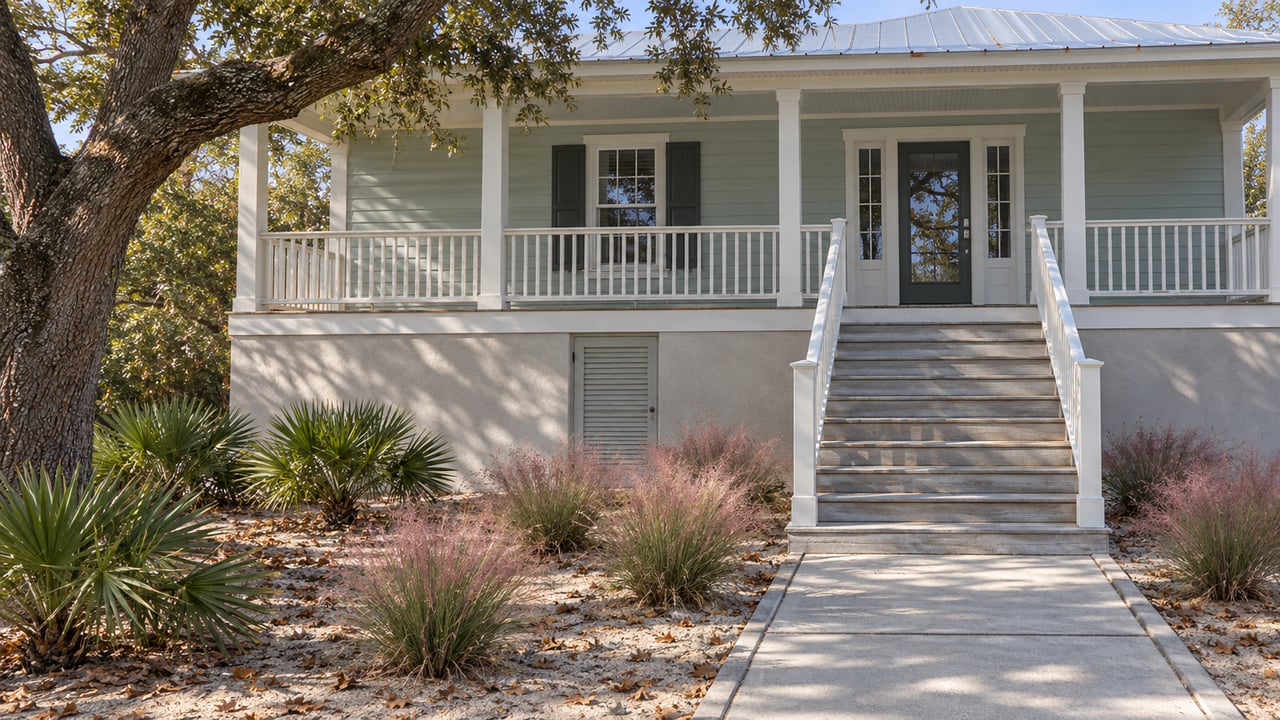
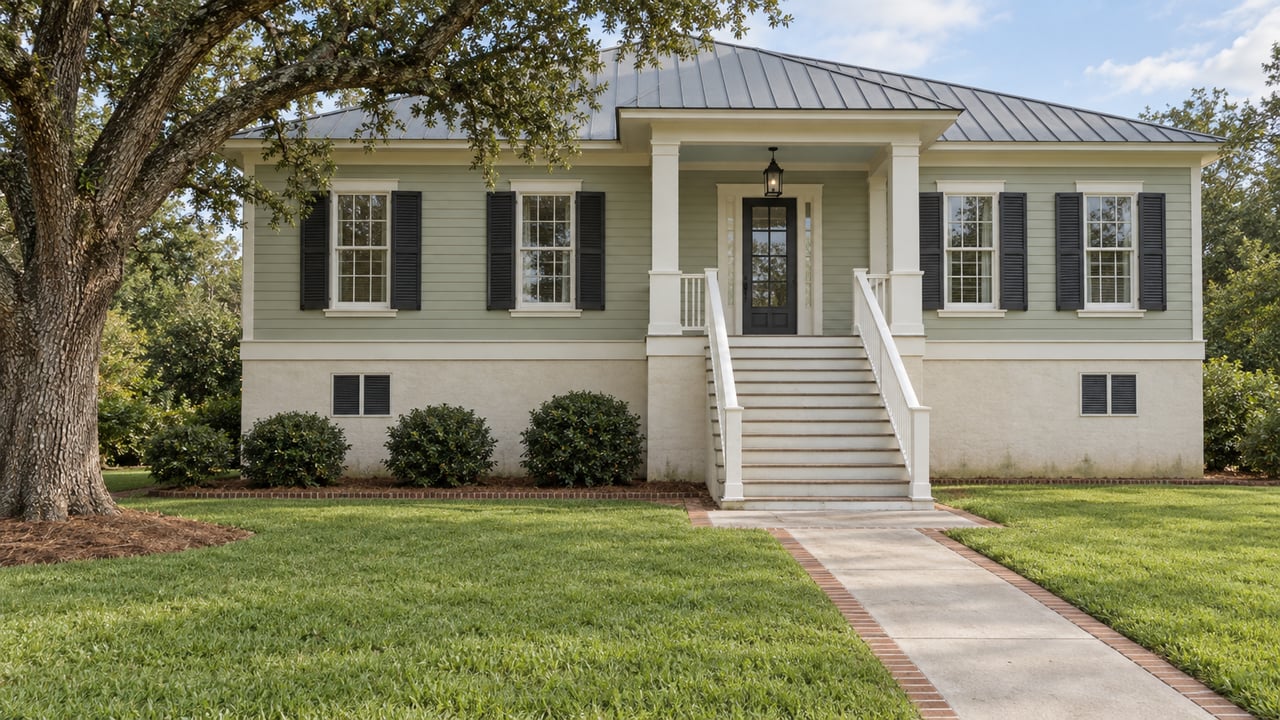

With an intimate knowledge of the Charleston Low Country area, Gus Can help you find your personal version of Luxury Island Living.