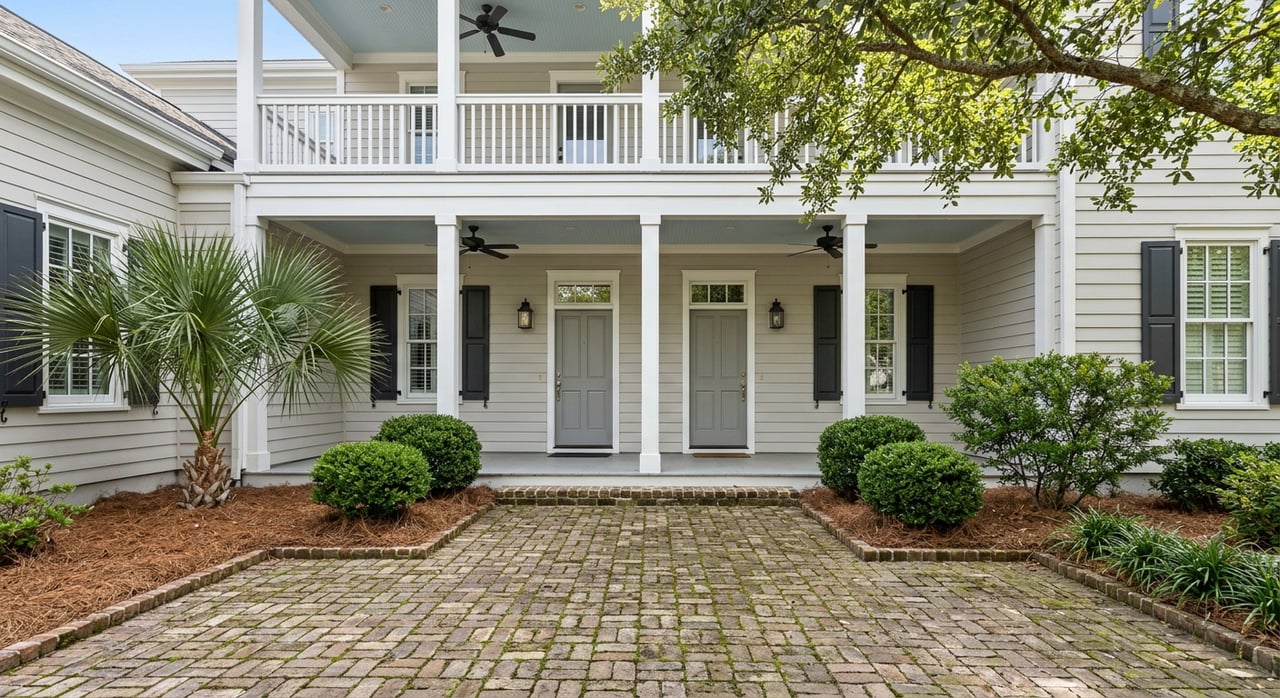
Seabrook Island Villas vs Homes for Coastal Living
June 25, 2026
June 25, 2026
Are you trying to decide whether a Seabrook Island villa or a single-family home makes more sense for the way you want to live? It is a smart question, because on Seabrook Island, the difference is not just square footage. You are also comparing ownership structure, maintenance, fees, flexibility, and how you plan to use the property over time. If you understand those moving parts before you buy, you can make a more confident decision. Let’s dive in.
Seabrook Island is a private, gated barrier-island community about 23 miles southwest of Charleston. According to SIPOA, the community spans 2,400 acres and includes about 2,600 residential properties, along with 3.6 miles of private beach. Owners include both full-time and part-time residents.
When you buy on Seabrook Island, you become a member of SIPOA. SIPOA provides community-wide services such as roads, drainage, common-area maintenance, beach access boardwalks, trash collection, and access control. SIPOA does not maintain private homes, which becomes important when you compare villas and single-family properties.
SIPOA also states that property owners are required to join the Seabrook Island Club at purchase. That means the lifestyle conversation on Seabrook often goes beyond the home itself and into how you plan to use the island’s club and community amenities.
As of January 1, 2025, SIPOA listed 1,105 villas, 1,264 improved single-family homes, and 217 lots. That tells you right away that both property types have a meaningful presence on the island. You are not choosing between a niche option and a dominant one.
SIPOA also notes that Seabrook includes many distinct regimes and associations. COVAR represents 1,340 properties across 41 villa associations and regimes. In practical terms, villa ownership often includes an added layer of governance beyond SIPOA, while detached homes may or may not be part of a smaller neighborhood association.
On Seabrook Island, villas are generally multi-floor units in a condominium-style format. The official villa page shows examples ranging from about 638 square feet to more than 1,700 square feet, with one to three bedrooms depending on the community. That gives buyers a range of sizes, but the overall footprint is usually more compact than a detached home.
A villa often appeals to buyers who want a simpler, more contained property. In many cases, you will have less private exterior space and more shared elements. If your goal is a lock-and-leave coastal retreat, that can be a real advantage.
For second-home buyers, that compact layout may feel easier to manage from a distance. You can focus more on enjoying the island and less on the demands that often come with a larger detached property.
Single-family homes on Seabrook are detached residences that are not inside a separate regime-managed community. Seabrook’s official site highlights a range of home types, including Tarpon Pond cottages around 1,200 to 1,400 square feet, Seabrook Village homes from about 1,500 to 2,600 or more square feet, and St. Christopher Oaks homes from roughly 2,500 to 3,000 or more square feet.
The biggest day-to-day difference is usually space and privacy. A detached home often gives you more separation from neighbors, more room inside, and more control over the property itself. That can matter if you want outdoor living areas, more storage, or a layout that fits longer stays.
For buyers thinking ahead to renovation or custom building, SIPOA’s ARC guidelines also note that new single-family residences are limited to two stories. That is useful context if you are comparing an existing home to a future build opportunity.
One of the clearest distinctions between villas and single-family homes is maintenance responsibility. SIPOA maintains common property and facilities across the island, but it does not maintain private homes. That means the upkeep picture depends heavily on the type of property you buy.
With villas, regime associations often maintain common landscaping, and many are responsible for exterior building maintenance. Each regime has its own assessments to fund those expenses. This setup can make ownership feel more hands-off, especially if you do not want to coordinate as many exterior tasks yourself.
With a detached home, you generally have more personal responsibility for the property. That can be a good fit if you want greater control, but it usually means more direct involvement in planning and maintaining the exterior.
Cost is not just about the purchase price. On Seabrook Island, your monthly and annual carrying costs can look very different depending on whether you buy a villa or a single-family home.
SIPOA’s 2026 developed-property assessment is $3,133. SIPOA also lists a $250 administrative fee at closing plus a capital contribution fee equal to one-half of 1 percent of the purchase price.
For villa buyers, regime dues can add another layer of expense on top of SIPOA’s island-wide assessment. For detached homes, you may have fewer layered association costs unless the home is within a smaller neighborhood association. Because villa regimes vary, it is important to review the exact dues, services, and reserve structure for the property you are considering.
Whether you buy a villa or a home, exterior changes on Seabrook are subject to the island’s ARC process. SIPOA says an ARC permit is required for exterior work that changes a property’s appearance or footprint. That includes new construction, additions, major remodels, painting, re-roofing, tree removal, and window or door replacements.
Interior renovations usually do not require approval unless they affect the exterior. Still, if you are buying with a plan to update the property soon, this review process should be part of your timeline and budget.
This point often matters more for single-family home buyers because detached homes may offer more opportunity for customization. But villa buyers should not assume cosmetic or exterior changes are simple either, especially when a separate regime may also have its own rules.
Some of the biggest differences in ownership show up in everyday details. SIPOA says each property owner can obtain two free gate-access barcodes for personal vehicles. That is useful for full-time owners and frequent visitors alike.
Parking and storage rules are also worth understanding early. SIPOA states that beach parking is prohibited on Seabrook roads and in private villa parking areas. It also says recreational vehicles, boats, campers, and trailers must be stored in spaces available at the Club maintenance area.
If you plan to keep a boat, trailer, or other equipment, those rules can influence which property type feels easier for your lifestyle. A detached home may offer more private space, but island-wide storage rules still apply.
Many buyers assume the main decision is villa versus home, but on Seabrook Island the lifestyle equation often comes back to amenity access. Seabrook Island Club says members enjoy golf, racquet sports, equestrian facilities, the Lake House fitness center, the Beach Club, and dining.
SIPOA says property owners can use the Lake House and Oyster Catcher Community Center pool with an Owner, Amenity, or Proximity Card. The Club requires a separate Club Amenity Card for golf, racquet sports, club restaurants, and the Oceanfront Beach Club.
That means two properties with very different layouts may still deliver a similar core island lifestyle if they align with how you want to spend your time. A smaller villa can still offer a full, active Seabrook experience, while a larger home may be best for buyers who place a premium on space and privacy in addition to amenities.
If you are considering a second home that may also be rented, you will want to verify the rules before you close. SIPOA says all rental properties must be registered before the first rental. The Town of Seabrook Island also says rental properties need a business license, and current town rules require a short-term rental permit for rental units.
This matters for both villas and homes, but it can be especially important for buyers comparing personal use with occasional income potential. You will also want to confirm whether the property’s amenity access fits your planned use.
Before making an offer, it is wise to review:
Your long-term plans can also affect the tax side of ownership. Charleston County says a home or mobile home that you own and occupy as your primary legal residence may qualify for the 4% legal residence assessment ratio. The South Carolina Department of Revenue defines legal residence as your current, primary home.
Charleston County also notes that the homestead exemption may apply for qualifying owners who are age 65 or older, totally and permanently disabled, or legally blind. Second homes do not fit that same primary-residence framework.
If you are choosing between a full-time move and a vacation property, this distinction deserves close attention. It can influence your total cost of ownership over time.
For many buyers, the villa-versus-home decision comes down to how you want to use Seabrook Island. If you want a more compact, lower-maintenance property with shared upkeep and a lock-and-leave feel, a villa may be the better fit.
If you want more privacy, more interior and exterior space, and more control over the property, a single-family home may make more sense. Neither option is automatically better. The right choice depends on your budget, your maintenance preferences, your renovation plans, and whether this will be a primary home, second home, or rental property.
A thoughtful comparison can save you from buying a property that looks right on paper but feels wrong in daily life. That is especially true on Seabrook, where ownership structure and amenity access play such a big role in the experience.
If you are weighing Seabrook Island villas versus single-family homes, a private consultation can help you compare total carrying costs, ownership rules, and lifestyle fit with clarity. Connect with Gus Bright for tailored guidance on finding the right Seabrook property for the way you want to live.
With an intimate knowledge of the Charleston Low Country area, Gus Can help you find your personal version of Luxury Island Living.