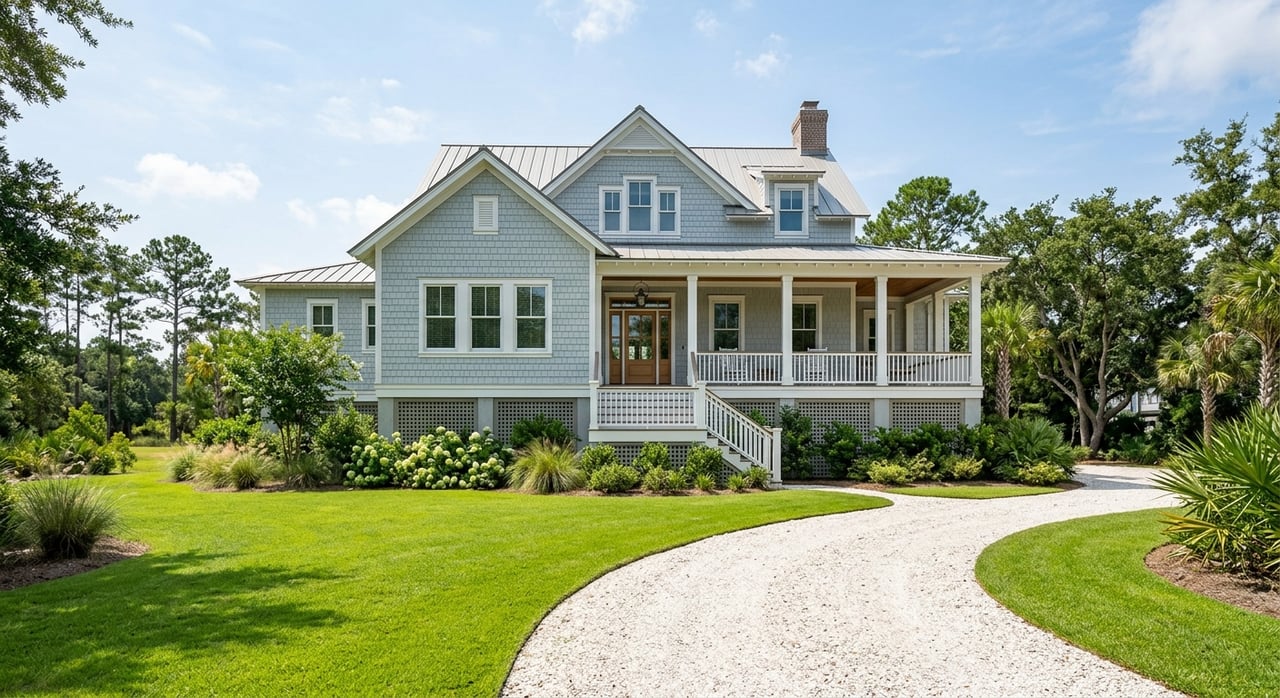
Relocating to Mount Pleasant: What to Weigh First
May 21, 2026
May 21, 2026
If you are thinking about relocating to Mount Pleasant, you are not just choosing a home. You are choosing a daily rhythm, a commute pattern, and the kind of access you want to beaches, downtown Charleston, and everyday essentials. In a fast-growing, high-cost market like this one, the details matter, and the right fit often comes down to the exact address. Let’s dive in.
One of the biggest factors to weigh in Mount Pleasant is how you will move through town each day. Major routes include US 17, Coleman Boulevard, Highway 41, Long Point Road, and I-526, and the town continues to focus transportation work around several of those corridors.
That matters because commute experience can vary more than buyers expect. Mount Pleasant’s mean travel time to work is 24.9 minutes, but your actual drive can look very different depending on whether you need quick access to the Ravenel Bridge, Long Point Road, or Highway 41.
If your routine includes downtown Charleston, the Arthur Ravenel Jr. Bridge will likely be a key part of your decision. Homes closer to the bridge and Coleman Boulevard may offer a different day-to-day feel than homes farther north.
Memorial Waterfront Park sits at the base of the bridge, which also gives this area a strong sense of place. For many relocating buyers, being near this connection point is about convenience as much as scenery.
Mount Pleasant’s transportation network is built around a handful of major routes, and the town’s own plans show ongoing pressure along them. US 17 and Coleman Boulevard use adaptive signal timing, and projects tied to US 17/I-526/Hungryneck and Long Point Road/I-526 highlight where traffic issues tend to concentrate.
In simple terms, the best neighborhood for you may depend on which road you need most. A home that looks ideal on paper can feel less convenient if the daily route does not match your routine.
Mount Pleasant is a sizable and established coastal market, but it is also an expensive one. The median owner-occupied home value is $748,500, and the median gross rent is $2,159.
Those numbers are useful because they help set expectations before you narrow your search. Whether you plan to buy now or rent first, it is smart to define your comfort zone early and compare it with the areas that best match your commute and lifestyle goals.
For some relocating households, renting first can make sense. It gives you time to test drive traffic patterns, shopping corridors, recreation options, and the feel of different sections of town.
In a place where neighborhood fit can shift quickly from one corridor to the next, that extra time can be valuable. It can also help you avoid making a quick decision based only on photos or map distance.
A Mount Pleasant mailing address does not tell the full story. The town covers 49.53 square miles and had an estimated 2024 population of 95,604, so there is meaningful variation in how different areas live day to day.
The town’s growth since 2020 also helps explain why buyers pay close attention to traffic, school assignment, and access to parks and shopping. As Mount Pleasant grows, choosing the right subarea becomes even more important.
Some buyers want historic setting and a more established street pattern. Others prefer newer planned communities with broader recreation networks and more recent development.
Old Village Historic District is one example of a very specific setting. The town describes it as a quieter residential area with preservation character, and it offers a notably different experience from newer suburban sections of Mount Pleasant.
If amenities and active-use recreation are high on your list, newer growth areas may stand out. Park West Recreation Complex includes fields, a pool, tennis, a playground, walking trails, and other active-use amenities.
Carolina Park Recreation Complex also offers a substantial recreation footprint, with multipurpose fields plus passive park and trail components across two sites. For many relocating buyers, those features shape everyday convenience just as much as the home itself.
If school planning is part of your move, verify the assignment before you make an offer. Charleston County School District assigns students to a neighborhood school based on grade level and home address, and the district provides a Find My School tool along with a school choice portal.
That means even homes that appear close together may not carry the same assignment. Exact address verification should be part of your relocation checklist from the start.
The East Cooper group listed by the district includes several elementary, middle, and high schools that serve Mount Pleasant addresses. These include Belle Hall Elementary, Carolina Park Elementary, Charles Pinckney Elementary, James B. Edwards Elementary, Jennie Moore Elementary, Laurel Hill Primary, Mamie P. Whitesides Elementary, Mount Pleasant Academy, Sullivan’s Island Elementary, Laing Middle, Moultrie Middle, Thomas C. Cario Middle, Lucy Beckham High School, and Wando High School.
East Cooper Montessori Charter School is also a local charter option, and East Cooper Center for Advanced Studies serves students from Wando and Lucy Beckham. If flexibility matters to your household, it is worth reviewing both assignment and choice options early.
Relocation decisions often focus on the house first, but daily convenience usually becomes the bigger factor after move-in. In Mount Pleasant, errands, recreation, and school trips are often organized by subarea rather than around one central district.
The town’s Safety Action Plan notes 13 supermarkets, four town-center-style commercial hubs, three county parks, six town parks, and major shopping centers such as Towne Centre, Wando Crossing, Belle Hall, and Oakland Market. That gives you plenty of options, but where you live will shape which ones feel easiest to use.
Belle Hall, Long Point, Towne Centre, and the Coleman and harbor area are recurring reference points in the town’s own shopping guide. If you want errands to fit neatly into your routine, these names are useful markers when comparing areas.
The Long Point trail project also references the Belle Hall Shopping Center side of Long Point Road, reinforcing how that corridor connects residential areas with practical daily stops. For many buyers, this kind of convenience is a major quality-of-life factor.
Mount Pleasant also offers a strong recreation network. Memorial Waterfront Park includes a 1,250-foot pier, lawns, and a playground, while the town’s recreation department supports parks, pools, and programming across multiple areas.
If outdoor access matters to you, it helps to compare not just homes but how close each option is to the parks, trails, and waterfront spaces you are most likely to use. Those habits often define whether a neighborhood feels easy and enjoyable.
Most relocation decisions in Mount Pleasant come down to tradeoffs. You may want beach access, downtown convenience, a predictable commute, nearby shopping, or a specific neighborhood feel, but rarely does one area maximize every factor equally.
The town’s own transportation planning highlights Mount Pleasant’s role as a connection point to downtown Charleston, Daniel Island, the beaches on Sullivan’s Island and Isle of Palms, and regional job centers. That flexibility is a major draw, but it also means your priorities need to be clear.
Before you choose an area, it helps to ask:
These questions may sound simple, but they often reveal the best fit faster than a broad online search.
Mount Pleasant offers a wide range of living experiences within one town, from preserved historic areas to newer recreation-centered communities. If you take the time to weigh commute patterns, address-based school assignment, budget, and everyday convenience, you will make a more confident move and a smarter long-term decision.
If you want tailored guidance as you compare Mount Pleasant neighborhoods, commute routes, and lifestyle priorities, schedule a private consultation with Gus Bright.
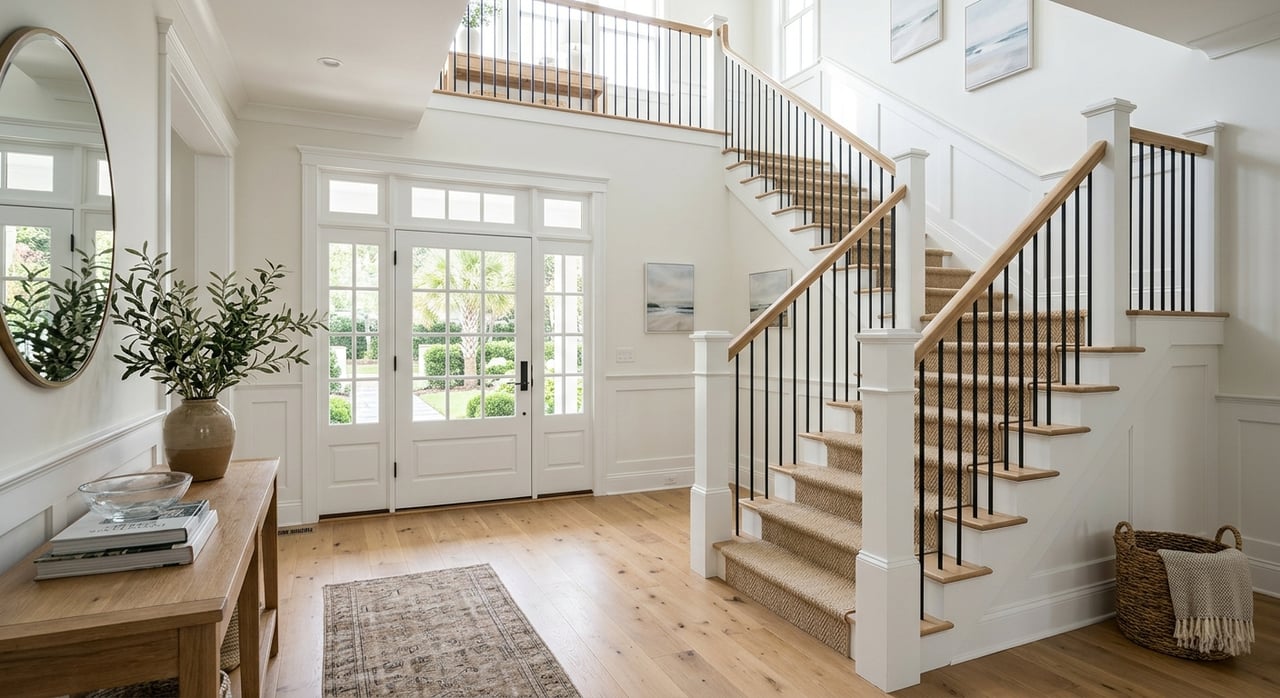
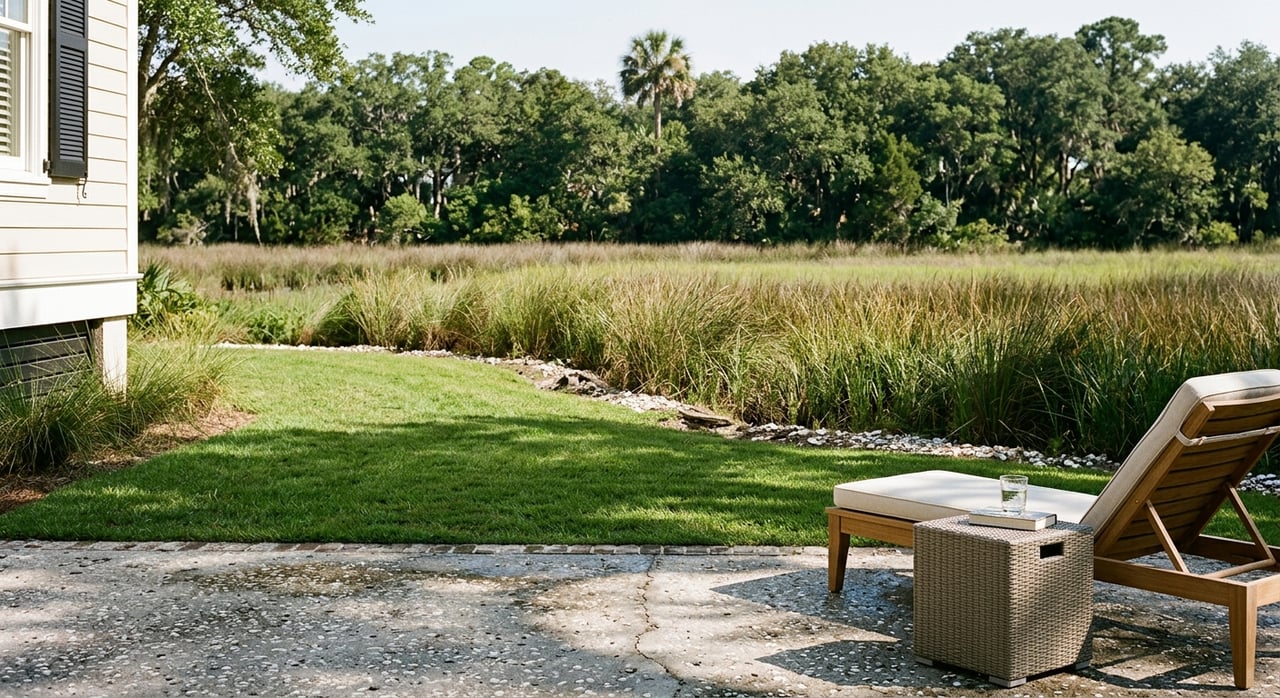
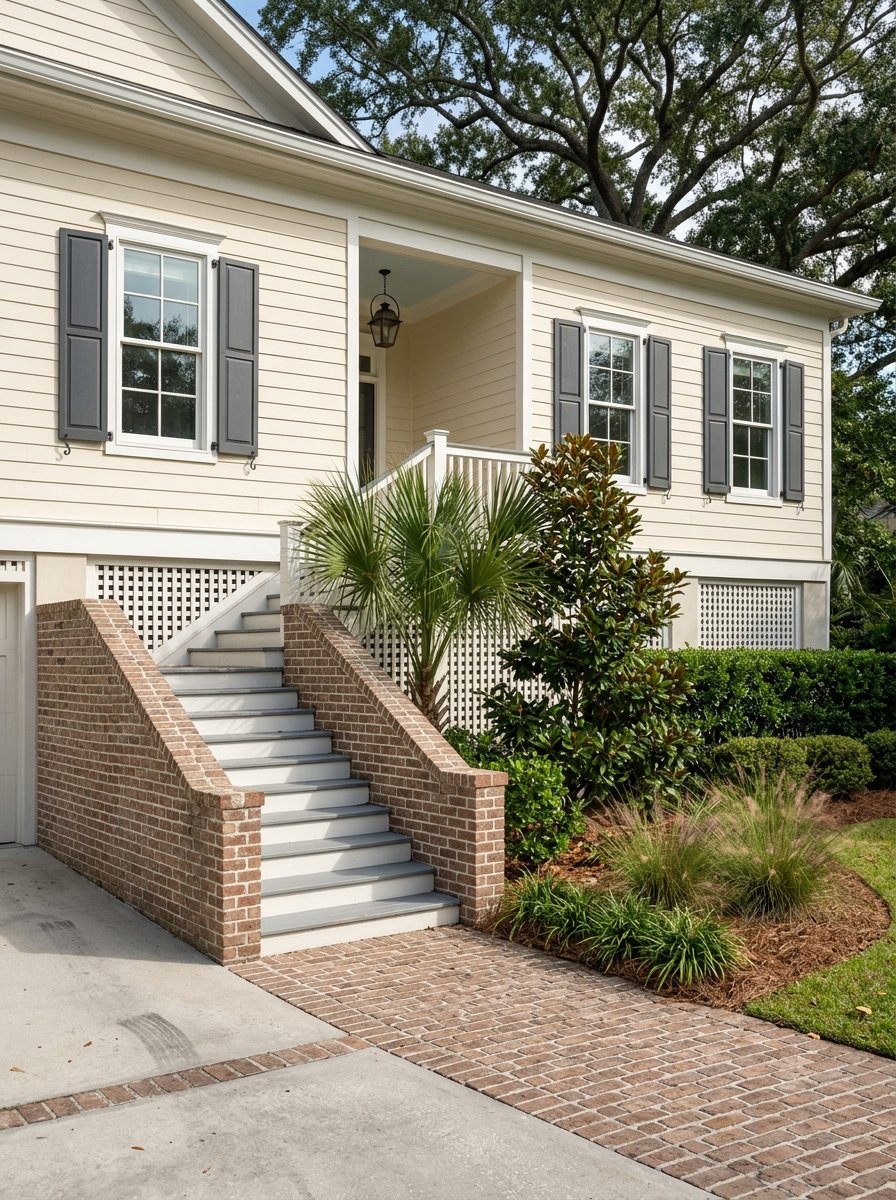
With an intimate knowledge of the Charleston Low Country area, Gus Can help you find your personal version of Luxury Island Living.